

Are tubular bandages suitable for elderly people?
Oct 10, 2025
Are tubular bandages suitable for elderly people?
As a supplier of tubular bandages, I've often been asked whether these bandages are suitable for elderly people. This is a crucial question, considering the unique health needs and physical conditions of the elderly population. In this blog post, I'll explore the suitability of tubular bandages for the elderly, looking at their benefits, potential drawbacks, and specific applications.
Benefits of Tubular Bandages for the Elderly
One of the primary advantages of tubular bandages is their ease of use. Elderly individuals may have limited dexterity due to arthritis, tremors, or other age - related conditions. Traditional bandages that require tying and wrapping can be difficult for them to apply on their own. Tubular bandages, on the other hand, can be easily slipped over a limb or body part. For example, a Tubular Elastic Net Bandage can be quickly placed over a swollen ankle or a post - operative knee. Its elastic nature allows for a snug fit without the need for complex tying procedures, which is particularly beneficial for those with reduced hand strength.
Another benefit is the uniform pressure distribution. Tubular Compression Bandages are designed to provide consistent compression. In the elderly, circulation problems are common. Compression from these bandages can help improve blood flow in the extremities, reducing swelling and preventing the formation of blood clots. This is especially important for elderly patients who may be bedridden or have limited mobility, as they are at a higher risk of developing deep vein thrombosis (DVT).
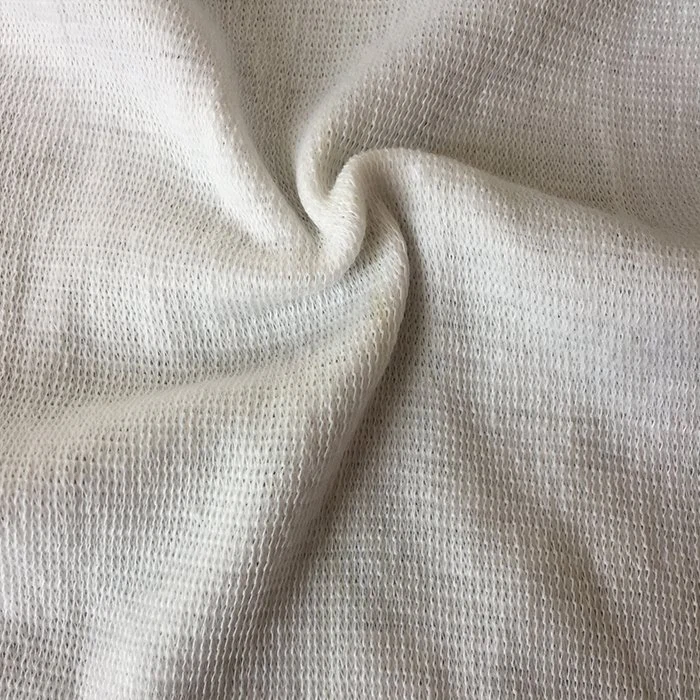
Tubular bandages also offer good breathability. Many are made from materials that allow air to circulate around the skin. For instance, a Cotton Tubular Bandage is soft and breathable. The elderly often have more sensitive skin, which is prone to irritation and pressure sores. The breathability of tubular bandages helps keep the skin dry and reduces the risk of skin problems, making them a comfortable option for long - term use.
Potential Drawbacks
Despite their many benefits, tubular bandages may have some drawbacks when used for the elderly. One concern is the potential for incorrect sizing. If a tubular bandage is too tight, it can restrict blood flow, causing numbness, tingling, or even tissue damage. Elderly people may not always be able to accurately assess whether a bandage is the right size, especially if they have cognitive impairments. On the other hand, a bandage that is too loose will not provide the necessary support or compression, rendering it ineffective.
Another drawback is the limited absorption capacity. Tubular bandages are not typically designed for heavy wound exudate management. In cases where an elderly patient has a wound that produces a large amount of fluid, such as a chronic ulcer, a tubular bandage may not be sufficient. Additional absorbent dressings may need to be used in conjunction with the tubular bandage, which can add to the complexity of wound care.
Specific Applications
Tubular bandages have several specific applications for the elderly. In orthopedic settings, they are commonly used after joint surgeries. For example, after a hip or knee replacement, a tubular compression bandage can help reduce swelling and provide support to the surgical site. It can also help keep the dressing in place, protecting the wound from external contaminants.
In the management of varicose veins, tubular compression bandages can be very useful. Varicose veins are a common problem in the elderly, causing pain, swelling, and a feeling of heaviness in the legs. Compression from the bandage can help alleviate these symptoms by improving blood circulation and reducing the pooling of blood in the veins.
For minor injuries such as sprains or strains, tubular elastic net bandages can provide support and limit movement, allowing the injured area to heal. They are also useful for holding splints or braces in place, which is important for elderly patients who may have osteoporosis and are at a higher risk of fractures.
Considerations for Use
When using tubular bandages for the elderly, several considerations should be kept in mind. First, proper sizing is crucial. Healthcare providers or caregivers should carefully measure the limb or body part to ensure the correct size of the bandage is selected. Regular checks should also be made to ensure that the bandage is not too tight or too loose.
Skin assessment is another important aspect. Before applying a tubular bandage, the skin should be inspected for any signs of irritation, cuts, or abrasions. If there are any skin problems, appropriate measures should be taken to treat them before applying the bandage. During use, the skin under the bandage should be checked regularly for signs of pressure marks, redness, or other skin changes.
Patient education is also essential. If the elderly patient is capable of self - care, they should be taught how to apply and remove the tubular bandage correctly. Caregivers should also be educated on the proper use and maintenance of the bandages to ensure optimal outcomes.
Conclusion
In conclusion, tubular bandages can be a suitable option for elderly people in many situations. Their ease of use, uniform pressure distribution, and breathability make them beneficial for various age - related conditions such as circulation problems, joint injuries, and varicose veins. However, potential drawbacks such as sizing issues and limited absorption capacity need to be considered. By taking proper precautions, such as ensuring correct sizing, regular skin assessment, and patient education, tubular bandages can be effectively used to improve the quality of life for the elderly.
If you're interested in learning more about our tubular bandages or are looking to purchase them for your healthcare facility, long - term care center, or personal use, please reach out to us. We're here to provide you with the best products and guidance on their proper use.

References
- "Textbook of Wound Management" - A comprehensive guide on wound care products and their applications.
- "Geriatric Orthopedics" - Focuses on orthopedic conditions in the elderly and appropriate treatment methods.
- "Circulation in the Elderly: Causes and Management" - Discusses circulation problems in the elderly and the role of compression therapy.