

Can a plain bandage be used for a forearm wound?
Jul 03, 2025
Hey there! As a plain bandage supplier, I often get asked a bunch of questions about using our products, especially when it comes to different types of wounds. One question that pops up quite a bit is, "Can a plain bandage be used for a forearm wound?" Well, let's dig into this topic and find out.
First off, let's talk about what a plain bandage is. A plain bandage is usually a simple, non - elastic strip of fabric. It's straightforward and doesn't have all the fancy features you might find in some other types of bandages. It's cheap, easy to use, and widely available. You can find it in most first - aid kits at home, in schools, or at workplaces.
Now, when it comes to a forearm wound, there are a few things to consider. The nature of the wound is super important. If it's a minor cut or scrape, a plain bandage can be a great option. It can help keep the wound clean by protecting it from dirt, dust, and bacteria in the environment. Just make sure to clean the wound properly with mild soap and water before applying the bandage. You can also put a small amount of antibiotic ointment on the wound to prevent infection.
For example, if you accidentally cut your forearm while doing some light woodworking or gardening, a plain bandage can be your go - to. You can wrap it around the wound snugly but not too tight. The key is to provide a barrier between the wound and the outside world. It'll give the wound a chance to start healing on its own.
However, there are situations where a plain bandage might not be the best choice. If the wound is deep or bleeding heavily, a plain bandage may not be enough. In cases of deep cuts, you might need to apply direct pressure with a clean cloth or a sterile gauze pad first to stop the bleeding. And if the bleeding doesn't stop after a few minutes of applying pressure, it's time to head to the emergency room.
Another thing to think about is the movement of the forearm. The forearm is a part of the body that moves a lot, especially when you're using your hands. A plain bandage might not stay in place very well during movement. It could come loose, and then it won't be able to protect the wound effectively. This is where some other types of bandages might be more suitable.

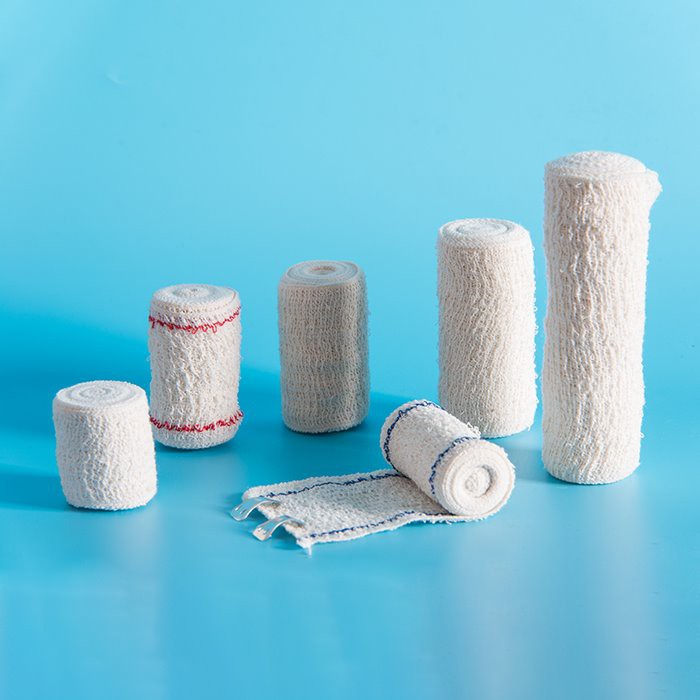
For instance, an Elastic Compression Bandage can be a great alternative. It has elasticity, which means it can conform to the shape of the forearm better and stay in place even when you're moving your arm. It can also provide some gentle compression, which can help reduce swelling if there's any associated with the wound.
A Spandex Tabby Bandage is another option. It's made of spandex, which is stretchy and comfortable. It won't restrict the movement of your forearm too much, and it can hold up well during normal activities.
If you've sprained your wrist along with the forearm wound (which can happen if you fall on your outstretched hand), a Sprained Wrist Elastic Bandage can be useful. It's designed specifically to support the wrist and forearm area, providing both compression and stability.
But don't get me wrong, plain bandages still have their place. They're great for short - term use and minor wounds. They're also very cost - effective, which is why they're so popular in many settings. You can keep a roll of plain bandages in your first - aid kit for those small, everyday injuries.
Now, let's talk about how to apply a plain bandage to a forearm wound. First, cut a piece of the bandage that's long enough to go around the forearm at least twice. Start by placing one end of the bandage just below the wound. Then, wrap it around the forearm in a spiral motion, overlapping each layer by about half of the width of the bandage. Make sure it's not too tight, as that can cut off the blood circulation. You can use a safety pin or some medical tape to secure the end of the bandage.
If you're worried about the bandage getting dirty or wet, you can cover it with a plastic wrap or a waterproof dressing. Just make sure to change the bandage regularly, at least once a day, or more often if it gets dirty or wet.
So, to sum it up, a plain bandage can definitely be used for a forearm wound, especially if it's a minor cut or scrape. But for more serious wounds, or if you need better support and stability during movement, you might want to consider other types of bandages.
As a plain bandage supplier, I'm here to help you make the right choice for your first - aid needs. Whether you're a healthcare professional, a school nurse, or just someone who wants to keep a well - stocked first - aid kit at home, we have a wide range of plain bandages that are of high quality and reasonably priced.
If you're interested in purchasing our plain bandages or have any questions about which type of bandage is best for your situation, feel free to reach out. We're always happy to have a chat and help you find the right product for you.
References
- American Red Cross. First Aid Manual.
- Mayo Clinic. Wound Care and Treatment Guidelines.