

Can I use Paraffin Gauze Roll on mosquito bite wounds?
Dec 08, 2025
When it comes to treating mosquito bite wounds, many people are constantly on the lookout for effective and safe remedies. As a supplier of Paraffin Gauze Roll, I often receive inquiries about whether this product can be used on mosquito bite wounds. In this blog post, I'll delve into the science behind mosquito bites, the properties of Paraffin Gauze Roll, and whether it's a suitable option for treating these pesky bites.
Understanding Mosquito Bites
Mosquito bites are a common nuisance, especially during the warmer months. When a mosquito bites, it pierces the skin with its proboscis and injects saliva into the body. This saliva contains proteins that can trigger an immune response in some people, leading to the characteristic itching, redness, and swelling associated with mosquito bites. In most cases, mosquito bites are harmless and will resolve on their own within a few days. However, scratching the bites can break the skin and increase the risk of infection.
What is Paraffin Gauze Roll?
Paraffin Gauze Roll, also known as Petrolatum Impregnated Gauze, is a type of medical dressing that consists of a layer of gauze impregnated with paraffin or petrolatum. Paraffin is a semi - solid hydrocarbon derived from petroleum, and petrolatum is a purified mixture of hydrocarbons. These substances create a moist environment that helps to promote wound healing and prevent the dressing from sticking to the wound.
Paraffin Gauze Roll has several properties that make it a popular choice for wound care. It provides a physical barrier against bacteria and other contaminants, helping to reduce the risk of infection. The moist environment it creates can also help to soften and debride necrotic tissue, allowing the wound to heal more quickly. Additionally, it is flexible and conformable, making it easy to apply to different parts of the body.
Can Paraffin Gauze Roll be Used on Mosquito Bite Wounds?
The answer to whether you can use Paraffin Gauze Roll on mosquito bite wounds is not a straightforward yes or no. In general, most mosquito bites do not require the use of a dressing like Paraffin Gauze Roll. As mentioned earlier, mosquito bites are usually minor and will heal on their own without any special treatment.
However, there are some situations where using Paraffin Gauze Roll on mosquito bite wounds might be appropriate. If a mosquito bite has been scratched and the skin has been broken, creating an open wound, there is a risk of infection. In such cases, applying a clean dressing like Paraffin Gauze Roll can help to protect the wound from bacteria and promote healing. The paraffin or petrolatum in the dressing can also soothe the irritated skin and reduce itching.
Another scenario where Paraffin Gauze Roll could be useful is if a person has an allergic reaction to mosquito bites that results in large, blistered, or oozing lesions. These types of reactions can be painful and take longer to heal. The dressing can help to keep the area clean and prevent the blisters from bursting, which could lead to further complications.
Advantages of Using Paraffin Gauze Roll on Mosquito Bite Wounds
If used appropriately, Paraffin Gauze Roll can offer several advantages for mosquito bite wounds. Firstly, as mentioned, it provides a protective barrier. This is especially important if the mosquito bite has been scratched, as open skin is more vulnerable to bacteria. By covering the wound, the dressing can reduce the risk of secondary infections such as cellulitis or impetigo.
Secondly, the moist environment created by the paraffin or petrolatum can help to relieve itching. Itching is one of the most annoying symptoms of mosquito bites, and scratching can further damage the skin. The dressing can act as a physical barrier to prevent scratching and also soothe the irritated nerve endings in the skin.
Disadvantages and Considerations
There are also some potential disadvantages and considerations when using Paraffin Gauze Roll on mosquito bite wounds. For minor mosquito bites that have not broken the skin, using a dressing is usually unnecessary and may even cause more discomfort. The dressing can trap heat and moisture, which could potentially make the itching worse.
In addition, some people may be allergic to paraffin or petrolatum. Before using Paraffin Gauze Roll on a mosquito bite wound, it's important to test a small area of skin for an allergic reaction. Apply a small piece of the dressing to a non - affected area of skin and wait for 24 hours. If there is no redness, itching, or swelling, it's likely safe to use on the mosquito bite wound.
How to Use Paraffin Gauze Roll on Mosquito Bite Wounds
If you've determined that using Paraffin Gauze Roll on a mosquito bite wound is appropriate, here's how to use it:

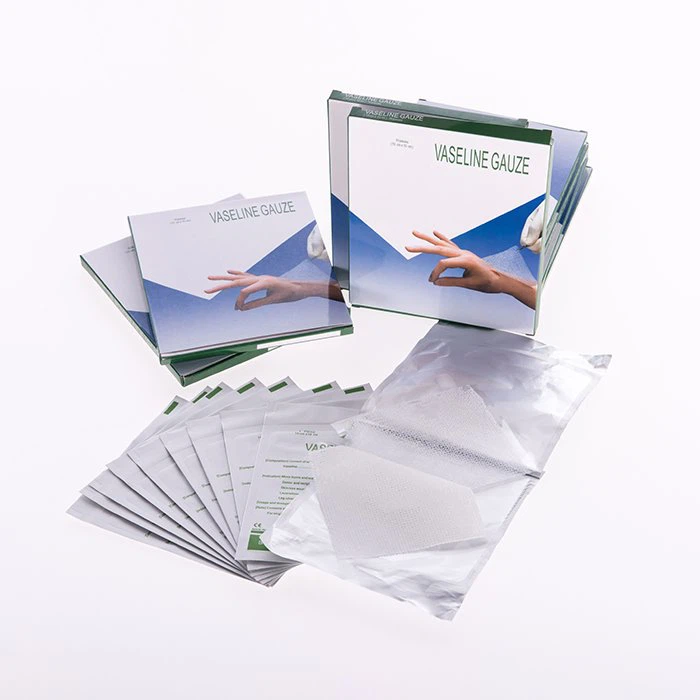
- Clean the wound: Gently wash the mosquito bite wound with mild soap and water. Pat the area dry with a clean towel.
- Cut the dressing: Cut a piece of Paraffin Gauze Roll that is slightly larger than the wound.
- Apply the dressing: Carefully place the dressing over the mosquito bite wound. Make sure it covers the entire affected area.
- Secure the dressing: You can use medical tape or a bandage to secure the dressing in place. Make sure it is not too tight, as this could restrict blood flow.
- Change the dressing: Depending on the condition of the wound, change the dressing daily or as recommended by a healthcare professional.
Conclusion
In conclusion, while most mosquito bites do not require the use of Paraffin Gauze Roll, there are certain situations where it can be a useful tool for wound care. If a mosquito bite has been scratched and the skin is broken, or if there is an allergic reaction resulting in large, open lesions, using Paraffin Gauze Roll can help to protect the wound, reduce the risk of infection, and promote healing.
As a supplier of Paraffin Gauze Roll, I understand the importance of providing high - quality products for wound care. If you're a medical professional, a distributor, or someone in need of Paraffin Gauze Roll for your own use, I encourage you to reach out to discuss your procurement needs. We can offer a range of options to meet your specific requirements.
References
- "Wound Healing and Dressings" - A textbook on wound care principles.
- "Medical Management of Insect Bites and Stings" - Journal article on the treatment of insect - related injuries.