

Can I use Paraffin Gauze Roll with other wound dressings?
Nov 04, 2025
When it comes to wound care, the question of whether one can use a Paraffin Gauze Roll with other wound dressings is a common and crucial one. As a supplier of Paraffin Gauze Roll, I've encountered numerous inquiries on this topic. In this blog, I'll delve into the scientific aspects, practical considerations, and potential benefits and drawbacks of combining Paraffin Gauze Roll with other wound dressings.
Understanding Paraffin Gauze Roll
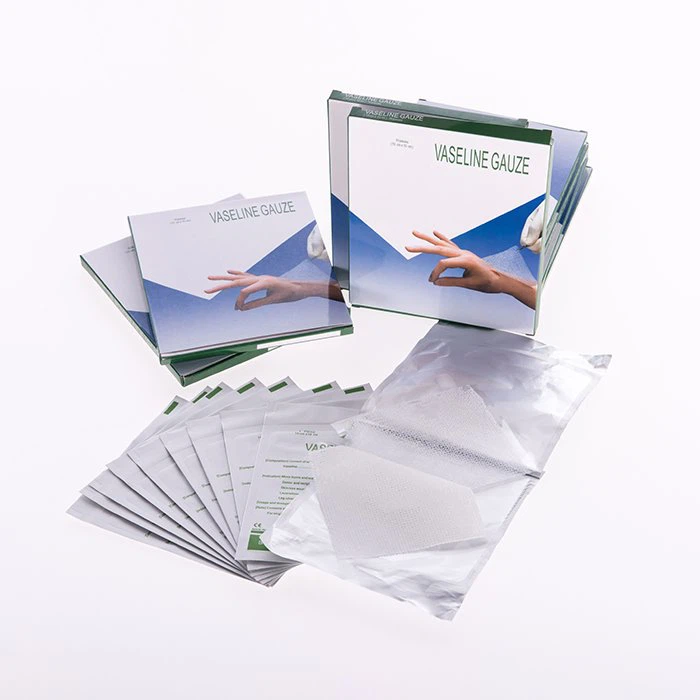
Paraffin Gauze Roll, also known as Petrolatum Impregnated Gauze, is a type of wound dressing that consists of a gauze base impregnated with paraffin or petrolatum. This dressing has been a staple in wound care for decades due to its unique properties. The paraffin or petrolatum creates a moist environment over the wound, which is essential for optimal wound healing. It also acts as a barrier, preventing the dressing from adhering to the wound bed, thereby reducing pain and trauma during dressing changes.
The gauze component of the Paraffin Gauze Roll provides a soft and flexible structure that conforms to the shape of the wound. It allows for the passage of oxygen and moisture vapor, which are necessary for the normal physiological processes of wound healing. Additionally, the gauze can help absorb any exudate from the wound, although its absorbent capacity is relatively limited compared to some other types of dressings.
Compatibility with Other Wound Dressings
The short answer to the question of whether you can use a Paraffin Gauze Roll with other wound dressings is yes, in many cases. However, the decision to combine dressings should be based on the specific characteristics of the wound, the goals of wound management, and the properties of the dressings being considered.
With Absorbent Dressings
Absorbent dressings, such as alginate dressings, foam dressings, and hydrofiber dressings, are designed to manage large amounts of wound exudate. When a wound produces excessive exudate, a Paraffin Gauze Roll alone may not be sufficient to keep the wound dry and prevent maceration. In such cases, it can be beneficial to use an absorbent dressing in combination with the Paraffin Gauze Roll.
For example, you can place a layer of Paraffin Gauze Roll directly on the wound to provide a non - adherent surface and a moist environment. Then, apply an absorbent dressing on top of the Paraffin Gauze Roll to absorb the exudate. This combination allows for the protection of the wound bed while effectively managing the exudate. The Paraffin Gauze Roll prevents the absorbent dressing from sticking to the wound, reducing pain and trauma during dressing changes.
With Antimicrobial Dressings
Antimicrobial dressings, such as silver - impregnated dressings and iodine - containing dressings, are used to prevent or treat wound infections. If there is a risk of infection or if the wound is already infected, combining a Paraffin Gauze Roll with an antimicrobial dressing can be a viable option.
The Paraffin Gauze Roll can be placed on the wound first to create a moist and non - adherent environment. Then, an antimicrobial dressing can be applied on top. This way, the antimicrobial agent can act on the wound to reduce the bacterial load, while the Paraffin Gauze Roll protects the wound bed from the potential irritation that some antimicrobial dressings may cause.
With Hydrogel Dressings
Hydrogel dressings are composed of a high percentage of water and are used to rehydrate dry wounds and promote autolytic debridement. When a wound is dry and requires moisture, a Paraffin Gauze Roll can be used in conjunction with a hydrogel dressing.
The hydrogel dressing can be applied directly to the wound to provide moisture and promote the breakdown of necrotic tissue. A Paraffin Gauze Roll can then be placed on top of the hydrogel dressing to prevent the dressing from drying out too quickly and to provide a non - adherent surface. This combination can help maintain a moist wound environment and facilitate the debridement process.
Considerations When Combining Dressings
While combining a Paraffin Gauze Roll with other wound dressings can be beneficial, there are several considerations to keep in mind.
Compatibility of Materials
It's important to ensure that the materials of the dressings are compatible with each other. Some dressings may interact chemically, which could affect their performance or cause adverse reactions. For example, certain antimicrobial agents may react with the paraffin or petrolatum in the Paraffin Gauze Roll, reducing their effectiveness or causing discoloration.
Wound Assessment
A thorough wound assessment is essential before deciding to combine dressings. Factors such as the size, depth, location, and type of the wound, as well as the amount of exudate and the presence of infection, should all be taken into account. Based on the assessment, you can determine the most appropriate combination of dressings to meet the specific needs of the wound.
Cost
Combining dressings may increase the cost of wound care. It's important to balance the benefits of using multiple dressings with the cost - effectiveness of the treatment. In some cases, a single dressing may be sufficient to achieve the desired outcomes, and adding additional dressings may not be necessary.
Benefits of Combining Dressings
Combining a Paraffin Gauze Roll with other wound dressings can offer several benefits:
Enhanced Wound Healing
By using dressings with complementary properties, you can create an optimal environment for wound healing. For example, the combination of an absorbent dressing and a Paraffin Gauze Roll can manage exudate while maintaining a moist wound bed, which is conducive to cell proliferation and tissue repair.
Reduced Pain
The non - adherent nature of the Paraffin Gauze Roll helps reduce pain during dressing changes, especially when combined with other dressings that may otherwise stick to the wound. This is particularly important for patients who are sensitive to pain or have wounds in areas that are difficult to access.

Customized Wound Management
Combining dressings allows for a more customized approach to wound management. You can tailor the treatment to the specific needs of the wound, taking into account factors such as the type of wound, the stage of healing, and the patient's individual circumstances.
Drawbacks and Precautions
There are also some potential drawbacks and precautions associated with combining dressings:
Increased Complexity
Using multiple dressings can increase the complexity of wound care. It requires a greater level of knowledge and skill to apply the dressings correctly and to monitor the wound for any signs of complications. This may pose a challenge for some caregivers, especially those with limited experience.
Risk of Infection
If the dressings are not applied or changed properly, there is an increased risk of introducing bacteria into the wound. It's important to follow strict aseptic techniques when handling and applying dressings to minimize this risk.
Allergic Reactions
Combining dressings may increase the risk of allergic reactions, especially if the patient is sensitive to one or more of the materials used in the dressings. It's important to be aware of the patient's allergy history and to monitor for any signs of an allergic reaction, such as itching, redness, or swelling.
Conclusion
In conclusion, a Paraffin Gauze Roll can be used effectively in combination with other wound dressings in many situations. The key is to understand the properties of the dressings, the characteristics of the wound, and the goals of wound management. By carefully selecting and combining dressings, you can optimize the wound healing process, reduce pain, and provide more customized care for the patient.
If you are interested in learning more about our Paraffin Gauze Roll products or have any questions regarding wound dressing combinations, please feel free to contact us for procurement and further discussions. We are committed to providing high - quality wound care products and professional advice to meet your needs.
References
- Ayello, E. A., & Sibbald, R. G. (Eds.). (2017). Wound care secrets plus. Elsevier Health Sciences.
- Bryant, R. A., & Nix, D. P. (2016). Acute and chronic wounds: Nursing management. Elsevier.
- European Wound Management Association. (2019). Guidelines for the management of venous leg ulcers.