

Do elastic bandages need to be changed regularly?
Dec 24, 2025
Do elastic bandages need to be changed regularly? That's a question I get asked a lot as an elastic bandage supplier. And the answer isn't as straightforward as you might think. Let's dive into the details and figure out when and why you should consider changing your elastic bandages.

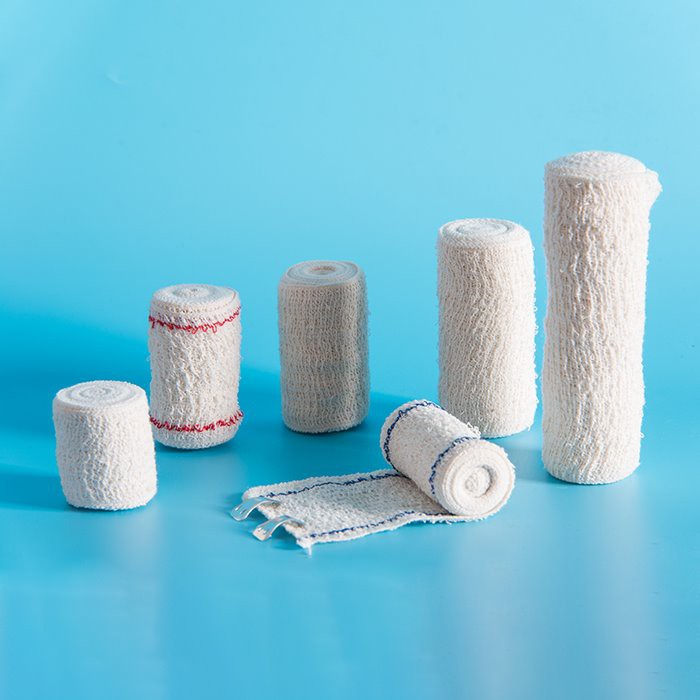
Understanding Elastic Bandages
Elastic bandages are a staple in many first - aid kits. They're used for a variety of purposes, like providing support for sprains, strains, and injuries. For example, if you've got a Muscle Strain Elastic Bandage, it can help reduce swelling and provide stability to the affected muscle. Similarly, a Sprained Ankle Elastic Bandage or a Sprained Wrist Elastic Bandage can offer much - needed support during the recovery process.
These bandages are made of stretchy materials that conform to the body's shape. They come in different widths, lengths, and levels of elasticity to suit various needs. Some are designed for lightweight support, while others are more heavy - duty for severe injuries.
Factors Affecting Bandage Change
Hygiene
One of the most important reasons to change elastic bandages regularly is hygiene. When you wear a bandage for an extended period, it can collect sweat, dirt, and bacteria from the skin. This accumulation can lead to skin irritation, rashes, or even infections. If you've been sweating a lot during workouts or in hot weather while wearing the bandage, it's crucial to replace it sooner than usual. The moisture trapped under the bandage creates a breeding ground for bacteria, and changing it can prevent potential skin problems.
Loss of Elasticity
Over time, elastic bandages lose their elasticity. This is a natural process due to repeated stretching and use. When the bandage loses its stretch, it may not provide the same level of support it did when it was new. For instance, a bandage that initially provided snug compression for a sprained ankle might become too loose as the elasticity fades. This reduced support can be counterproductive to the healing process, as it may not effectively stabilize the injured area or control swelling.
Damage
Bandages can also get damaged. They might tear, fray, or develop holes. These damages not only make the bandage less effective but can also cause discomfort. A torn bandage may not wrap evenly around the body, leading to uneven pressure distribution and potentially aggravating the injury. So, if you notice any visible damage to the bandage, it's time to replace it.
How Often Should You Change Them?
The frequency of changing elastic bandages depends on several factors.
For Minor Injuries
If you have a minor injury like a mild muscle strain or a small sprain, and you're using the bandage mainly for support during light activities, you might be able to keep the same bandage on for 1 - 2 days. However, you should still check it regularly for signs of dirt, moisture, or loss of elasticity. If the bandage starts to feel loose or if you notice any skin irritation, it's best to change it.
For Moderate to Severe Injuries
In cases of moderate to severe injuries, where the bandage is used for more intensive support and compression, it's advisable to change the bandage daily. This is because these types of injuries often involve more swelling and fluid buildup, which can make the bandage dirty and less effective more quickly. Also, changing the bandage daily allows you to inspect the injury for any signs of improvement or complications.
In Special Situations
If you're using the bandage in a dirty or wet environment, such as during outdoor work or sports in the rain, you may need to change it more frequently. The exposure to dirt and moisture can increase the risk of infection and damage to the bandage.
Tips for Using Elastic Bandages
- Proper Application: Make sure you apply the bandage correctly. Wrap it snugly but not too tightly. A too - tight bandage can restrict blood flow, which is bad for the healing process. If you're not sure how to apply it, ask a healthcare professional or follow the instructions on the packaging.
- Skin Care: Before applying a new bandage, clean and dry the skin thoroughly. This helps prevent skin problems. You can also use a thin layer of powder or lotion to reduce friction between the bandage and the skin.
- Inspect Regularly: Check the bandage and the skin under it regularly. Look for signs of redness, swelling, or pain that might indicate a problem.
Conclusion
So, do elastic bandages need to be changed regularly? The answer is yes. Regularly changing your elastic bandages is essential for maintaining hygiene, ensuring proper support, and promoting a healthy healing process. Whether you're using a Muscle Strain Elastic Bandage, a Sprained Ankle Elastic Bandage, or a Sprained Wrist Elastic Bandage, keeping track of the bandage's condition and replacing it when necessary is crucial.
If you're in the market for high - quality elastic bandages, we're here to help. We offer a wide range of elastic bandages suitable for different needs and injuries. Whether you're a healthcare provider, a sports team, or just someone who wants to keep a reliable first - aid kit at home, we've got you covered. Reach out to us to discuss your requirements and explore our product range. Together, we can ensure you have the right bandages for the job and keep you or your patients well - supported during the recovery process.
References
- American Academy of Orthopaedic Surgeons. "First Aid for Sprains and Strains."
- Mayo Clinic. "Sports Injuries: First Aid."