

How do I dispose of a POP Bandage?
Oct 08, 2025
Disposing of a POP Bandage: A Comprehensive Guide
As a supplier of POP Bandages, I often receive inquiries from customers about the proper way to dispose of these products. In this blog post, I'll share detailed information on how to safely and responsibly dispose of POP Bandages, ensuring both environmental protection and compliance with regulations.
Understanding POP Bandages
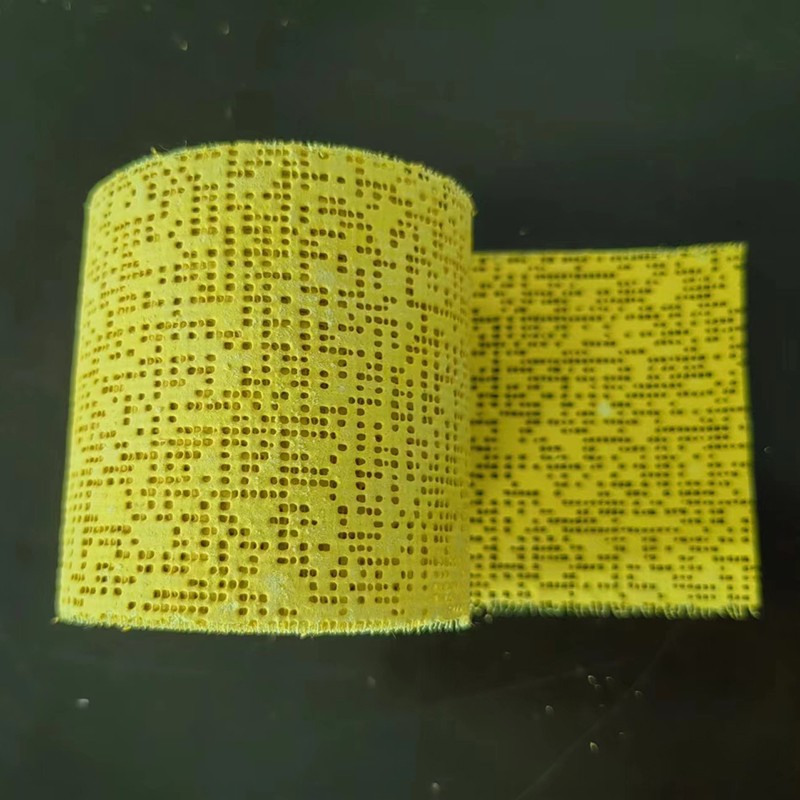
Before delving into the disposal methods, it's important to understand what POP Bandages are. POP, or Plaster of Paris, bandages are commonly used in the medical field for immobilizing fractures and supporting injured limbs. They are made of a woven fabric impregnated with Plaster of Paris powder, which hardens when wet. There are different types of POP Bandages available in the market, such as Colorful Bandage, Gypsona Pop Bandage, and Medical Plaster of Paris Bandage.
Why Proper Disposal Matters
Proper disposal of POP Bandages is crucial for several reasons. Firstly, Plaster of Paris can harden and clog drains if not disposed of correctly, leading to costly plumbing issues. Secondly, in a medical setting, used POP Bandages may be contaminated with blood, bodily fluids, or other potentially infectious materials. Improper disposal can pose a risk to public health and the environment. By following the right disposal procedures, we can minimize these risks and contribute to a cleaner and safer world.

Disposal Methods for Different Settings
Medical Facilities
In medical facilities such as hospitals, clinics, and nursing homes, used POP Bandages are considered medical waste. They should be disposed of in accordance with local medical waste management regulations. Here are the general steps:
- Segregation: Separate used POP Bandages from other types of waste at the point of use. Place them in designated medical waste containers that are leak-proof, puncture-resistant, and clearly labeled.
- Containment: Ensure that the used bandages are completely enclosed in the waste container to prevent any leakage or spillage. If the bandages are large or bulky, they may need to be cut into smaller pieces for easier handling and disposal.
- Collection and Transportation: Arrange for the regular collection of medical waste by a licensed waste management company. The waste should be transported in sealed containers to a designated treatment facility.
- Treatment: At the treatment facility, the used POP Bandages will undergo appropriate treatment processes, such as incineration or autoclaving, to destroy any pathogens and reduce the volume of the waste.
Home Use
If you use POP Bandages at home, the disposal process is relatively simpler. However, it's still important to follow some basic guidelines:
- Check for Contamination: Before disposing of the bandage, check if it is contaminated with blood, bodily fluids, or other potentially infectious materials. If so, treat it as medical waste and follow the steps mentioned above.
- Dry the Bandage: If the bandage is wet, allow it to dry completely before disposal. This will prevent it from hardening and clogging the drain.
- Wrap and Dispose: Wrap the dry bandage in a plastic bag and tie it securely. Then, place it in your regular household trash bin. Avoid flushing the bandage down the toilet or sink.
Industrial and Manufacturing Settings
In industrial and manufacturing settings where POP Bandages are produced or used, the disposal of waste materials follows different protocols. Here are some considerations:
- Recycling: If possible, explore recycling options for the waste Plaster of Paris. Some recycling facilities can process Plaster of Paris and reuse it in the production of new products.
- Waste Management Plan: Develop a comprehensive waste management plan that includes proper storage, handling, and disposal of POP Bandage waste. This plan should comply with local environmental regulations.
- Safe Handling: Ensure that employees are trained on the proper handling and disposal of POP Bandage waste to minimize the risk of accidents and environmental contamination.
Tips for Safe Disposal
- Wear Protective Gear: When handling used POP Bandages, wear gloves and other appropriate protective gear to prevent direct contact with potentially infectious materials.
- Follow Local Regulations: Familiarize yourself with the local regulations regarding the disposal of medical waste and follow them strictly. Regulations may vary depending on your location, so it's important to stay informed.
- Educate Others: If you are a healthcare provider or work in a medical facility, educate your colleagues and patients about the proper disposal of POP Bandages. This can help raise awareness and ensure that everyone follows the correct procedures.
Conclusion
Proper disposal of POP Bandages is essential for protecting public health and the environment. Whether you are a medical professional, a patient using bandages at home, or an industrial operator, it's important to follow the appropriate disposal methods. By doing so, we can prevent plumbing problems, reduce the risk of infection, and contribute to a more sustainable future.
If you are interested in purchasing high-quality POP Bandages, including Colorful Bandage, Gypsona Pop Bandage, and Medical Plaster of Paris Bandage, please feel free to contact us for more information and to discuss your procurement needs. We are committed to providing excellent products and services to meet your requirements.
References
- World Health Organization. (2014). Safe management of wastes from health - care activities.
- Environmental Protection Agency. (n.d.). Medical Waste Management.