

How do I use a POP Bandage in combination with other medical supplies?
Dec 01, 2025
As a supplier of POP Bandages, I often get asked about the best ways to use these bandages in combination with other medical supplies. POP Bandages, or Plaster of Paris Bandages, are a staple in the medical field, especially in orthopedics for immobilizing fractures and supporting injured limbs. In this blog, I'll share some insights on how to effectively use POP Bandages alongside other common medical supplies.
Understanding POP Bandages
Before delving into combinations, it's crucial to understand what POP Bandages are. Plaster of Paris Bandage Rolls are made of a cotton or fiberglass material impregnated with plaster of Paris powder. When soaked in water, the plaster hardens, providing a rigid support structure. They come in various sizes and widths to accommodate different body parts and injury types.
Combining with Padding Materials
One of the most common combinations is using POP Bandages with padding materials. Padding serves as a protective layer between the skin and the hardening plaster, preventing skin irritation, pressure sores, and discomfort. There are several types of padding materials available, such as cotton padding, synthetic foam padding, and cast padding.
Cotton padding is a soft and breathable option that conforms well to the body's contours. It's ideal for patients with sensitive skin. To use, start by applying a layer of cotton padding over the injured area, ensuring it covers the entire area that will be encased by the POP Bandage. Smooth out any wrinkles or folds to prevent uneven pressure points. Then, proceed with applying the Plaster of Paris Bandage Rolls over the padding.

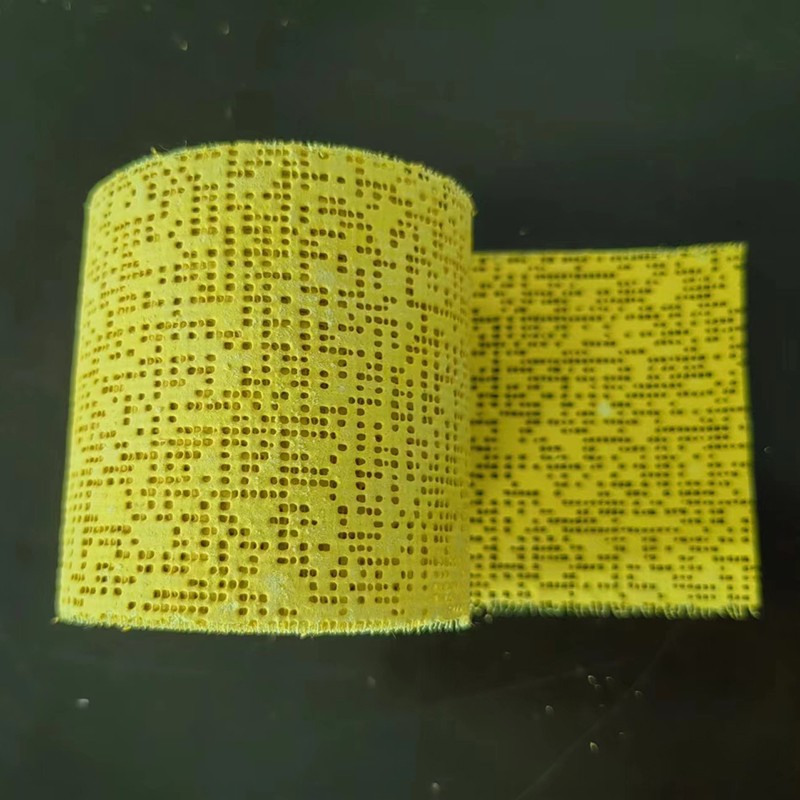
Synthetic foam padding offers more cushioning and shock absorption. It's often used for more severe injuries or in areas where extra protection is needed, such as around joints. Similar to cotton padding, apply the foam padding evenly over the skin before wrapping with the POP Bandage.
Cast padding is specifically designed for use with casts and is usually made of a combination of cotton and synthetic materials. It provides a comfortable and secure fit, reducing the risk of skin problems. Apply the cast padding in a spiral motion, overlapping each layer slightly, and then wrap the POP Bandage over it.
Using with Splints
Splints can be used in conjunction with POP Bandages to provide additional support and stability. Splints are typically made of rigid materials such as metal, plastic, or fiberglass and are used to immobilize a joint or limb. They can be used before applying the POP Bandage to help align the bones and reduce pain.
For example, in the case of a fractured wrist, a splint can be placed on the palmar or dorsal side of the wrist to hold the bones in place. Then, a layer of padding is applied over the splint, followed by the POP Bandage. The splint helps to distribute the pressure evenly and prevents the plaster from shifting during the hardening process.
Another option is to use a pre - fabricated splint that can be incorporated into the cast. These splints are designed to fit specific body parts and can be easily adjusted for a custom fit. They are often used in combination with Orthopaedic Plaster of Paris Bandage for more complex fractures or injuries.
Incorporating with Antiseptic Solutions
Maintaining proper hygiene is essential when using POP Bandages. Antiseptic solutions can be used in combination with POP Bandages to prevent infections. Before applying the padding and the POP Bandage, clean the injured area with an antiseptic solution such as povidone - iodine or chlorhexidine. This helps to kill bacteria and reduce the risk of wound infections.
After the cast is applied, it's important to keep the area clean and dry. If the cast becomes wet, it can create a breeding ground for bacteria. In such cases, a small amount of antiseptic solution can be carefully applied around the edges of the cast to prevent infection. However, it's crucial to follow the doctor's instructions and not to over - saturate the cast with the solution.
Combining with Colorful Bandages for Aesthetic Purposes
In addition to their functional uses, Colorful Bandage can be used in combination with POP Bandages for aesthetic purposes. Colorful bandages can add a personal touch to the cast, especially for children or patients who want to make their cast more appealing.
These bandages can be applied over the hardened POP Bandage. They come in a variety of colors, patterns, and designs, allowing patients to express their personality. However, it's important to ensure that the colorful bandage does not interfere with the integrity of the cast or cause any skin problems.
Best Practices for Combining POP Bandages with Other Medical Supplies
- Proper Sizing: Ensure that all the medical supplies, including the POP Bandage, padding, splints, etc., are the correct size for the patient's body part. Using the wrong size can lead to discomfort, poor immobilization, and increased risk of complications.
- Follow Instructions: Always follow the manufacturer's instructions for each medical supply. This includes the proper way to apply, soak, and handle the POP Bandage, as well as how to use the other supplies in combination.
- Monitor the Patient: After applying the combination of medical supplies, closely monitor the patient for any signs of discomfort, skin irritation, or changes in circulation. If any problems are detected, seek medical advice immediately.
Conclusion
Using POP Bandages in combination with other medical supplies can enhance the effectiveness of treatment, improve patient comfort, and reduce the risk of complications. Whether it's using padding for protection, splints for additional support, antiseptic solutions for hygiene, or colorful bandages for aesthetics, there are many ways to optimize the use of POP Bandages.
If you're interested in learning more about our Plaster of Paris Bandage Rolls, Colorful Bandage, or Orthopaedic Plaster of Paris Bandage, or if you're looking to start a procurement discussion, please feel free to reach out. We're committed to providing high - quality medical supplies and excellent customer service.
References
- "Orthopaedic Casting: Principles and Practice" by John D. Buckwalter, Joseph A. Buckwalter, and Robert E. Brower.
- "Textbook of Fractures" by Andrew H. Browner, K. Daniel Heckman, John A. Court - Brown, and Martin T. McCarthy.
- Manufacturer's product manuals for POP Bandages and related medical supplies.