

How do surgical POP bandages compare to other types of bandages?
Nov 05, 2025
When it comes to bandages, the market offers a wide array of options, each designed for specific purposes and with its own set of advantages and disadvantages. As a supplier of surgical POP bandages, I've had the opportunity to closely examine how these bandages stack up against other types of bandages commonly used in the medical field. In this blog post, I'll delve into the characteristics, applications, and performance of surgical POP bandages in comparison to other bandage varieties.
Understanding Surgical POP Bandages
Surgical POP (Plaster of Paris) bandages are a traditional yet highly effective option for immobilizing fractures and providing support to injured limbs. These bandages consist of a cotton or fiberglass material impregnated with plaster of Paris powder. When soaked in water, the plaster reacts and hardens, creating a rigid cast that holds the injured area in place.
One of the key advantages of surgical POP bandages is their affordability. They are relatively inexpensive compared to some of the more advanced synthetic bandages on the market, making them a cost - effective solution for many healthcare facilities, especially in regions with limited resources. For example, in developing countries where budget constraints are a significant concern, surgical POP bandages are often the go - to choice for treating fractures.
Another benefit is their long - standing track record of effectiveness. Surgeons and medical professionals have been using POP bandages for decades, and they have proven to be reliable in providing the necessary immobilization for proper bone healing. The rigid cast formed by POP bandages helps to prevent movement at the fracture site, reducing pain and promoting faster recovery.
You can explore our range of Medical Plaster of Paris Bandage to see the quality and variety we offer.
Comparing with Elastic Bandages
Elastic bandages are a popular choice for providing support to sprains, strains, and minor injuries. They are made of stretchable fabric that can be wrapped around the affected area to apply pressure and reduce swelling.
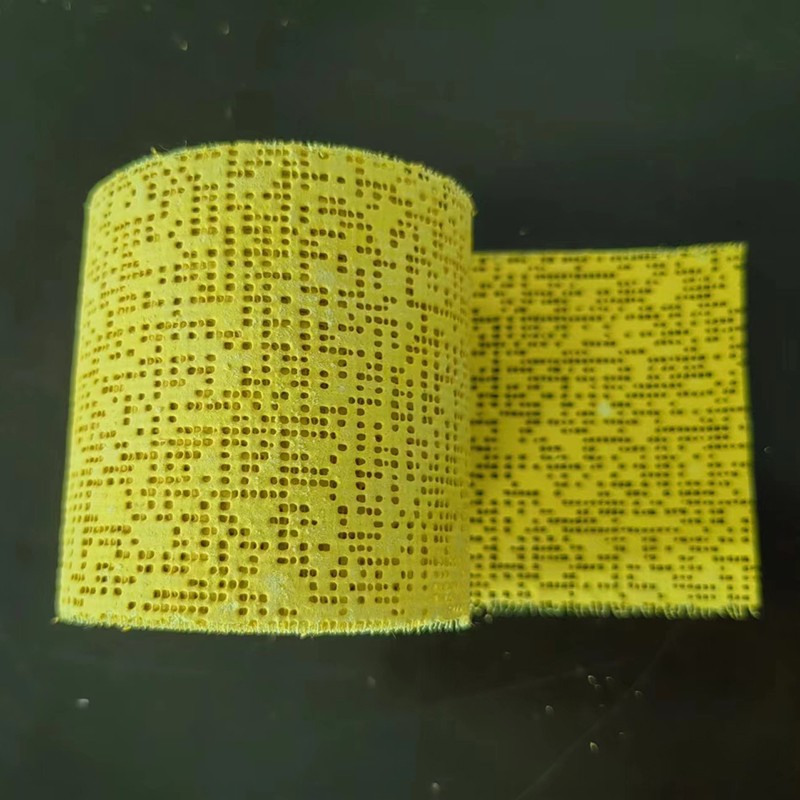

One major difference between surgical POP bandages and elastic bandages is the level of immobilization. Elastic bandages are designed to provide support while still allowing some degree of movement. This makes them suitable for injuries where complete immobilization is not required, such as mild ankle sprains. In contrast, surgical POP bandages create a rigid cast that restricts movement completely, which is essential for treating fractures.
Elastic bandages are also more flexible in terms of application. They can be easily adjusted and re - wrapped as needed, and they can be worn for extended periods without causing significant discomfort. However, they may not provide the same level of stability as a POP cast, especially for more severe injuries.
In terms of cost, elastic bandages are generally less expensive than surgical POP bandages on a per - use basis. However, for long - term treatment of fractures, the repeated purchase of elastic bandages may end up being more costly than using a single POP cast.
Comparing with Adhesive Bandages
Adhesive bandages, also known as sticking plasters or Band - Aids, are commonly used for covering small cuts, wounds, and abrasions. They consist of a small piece of fabric or plastic with an adhesive backing that adheres to the skin.
The main difference between surgical POP bandages and adhesive bandages is their purpose. Adhesive bandages are primarily used for wound protection and minor first - aid, while surgical POP bandages are used for fracture immobilization. Adhesive bandages are designed to be lightweight and flexible, allowing for normal movement of the body part. In contrast, POP bandages are heavy and rigid, which is necessary for holding a fractured bone in place.
Adhesive bandages are also much easier to apply and remove. They can be quickly placed on a wound and removed without the need for any special tools or techniques. On the other hand, applying and removing a POP cast requires some skill and may involve the use of special cutting tools.
Comparing with Synthetic Casting Materials
In recent years, synthetic casting materials such as fiberglass and polyester have become increasingly popular as alternatives to surgical POP bandages. These materials offer several advantages over traditional POP bandages.
Synthetic casting materials are lighter in weight than POP bandages. This can be a significant benefit for patients, especially those with long - term casts, as it reduces the strain on the affected limb and makes it easier to move around. For example, a child with a broken arm may find it more comfortable to wear a lightweight synthetic cast than a heavy POP cast.
Synthetic casts also dry much faster than POP casts. While a POP cast can take several hours to dry completely, a synthetic cast can be dry and ready for use within minutes. This means that patients can start using the cast immediately after application, reducing the waiting time and inconvenience.
However, synthetic casting materials are generally more expensive than surgical POP bandages. This can be a limiting factor for some healthcare providers, especially in areas where cost is a major consideration. Additionally, some patients may be allergic to the synthetic materials used in these casts, which can cause skin irritation and other complications.
We also offer Pop Plaster Bandage, which combines the traditional benefits of POP with modern manufacturing techniques for enhanced performance.
Aesthetic Considerations
When it comes to aesthetics, surgical POP bandages may not be the most appealing option. They are usually white or off - white in color and can look bulky and unattractive. In contrast, some other types of bandages, such as Colorful Bandage, offer a wider range of colors and designs, which can be more appealing to patients, especially children.
However, it's important to note that the primary function of a bandage is to treat the injury, and aesthetics should not be the main consideration. While colorful bandages may be more visually appealing, they may not provide the same level of support and immobilization as a surgical POP bandage.
Environmental Impact
In today's world, environmental impact is an important consideration. Surgical POP bandages are made from natural materials, such as plaster of Paris and cotton, which are biodegradable. This means that they have a relatively low environmental impact compared to some synthetic bandages, which may be made from non - biodegradable materials.
However, the production of POP bandages does require energy and resources, and the disposal of used POP casts can take up space in landfills. Healthcare providers and patients should be aware of the environmental implications of their bandage choices and look for ways to minimize waste.
Conclusion
In conclusion, surgical POP bandages have their own unique set of advantages and disadvantages when compared to other types of bandages. They are a cost - effective, reliable option for fracture immobilization, especially in situations where budget is a concern or where the long - standing effectiveness of traditional methods is preferred.
While other bandages such as elastic bandages, adhesive bandages, and synthetic casting materials offer different benefits, such as flexibility, ease of use, and lighter weight, they may not always be suitable for treating fractures.
If you are a healthcare provider, a medical institution, or an individual in need of high - quality surgical POP bandages, I encourage you to reach out to us. We are committed to providing the best products and services to meet your needs. Whether you have questions about our bandages, need assistance with ordering, or want to discuss potential partnerships, we are here to help. Contact us to start a procurement discussion and find out how our surgical POP bandages can benefit your patients or your organization.
References
- American Academy of Orthopaedic Surgeons. (2023). Casts and Splints: Care Instructions.
- National Institute of Arthritis and Musculoskeletal and Skin Diseases. (2023). Fractures: Fact Sheet.
- World Health Organization. (2023). Guidelines for the Management of Fractures in Low - Resource Settings.