

How to store elastic bandages properly?
Dec 24, 2025
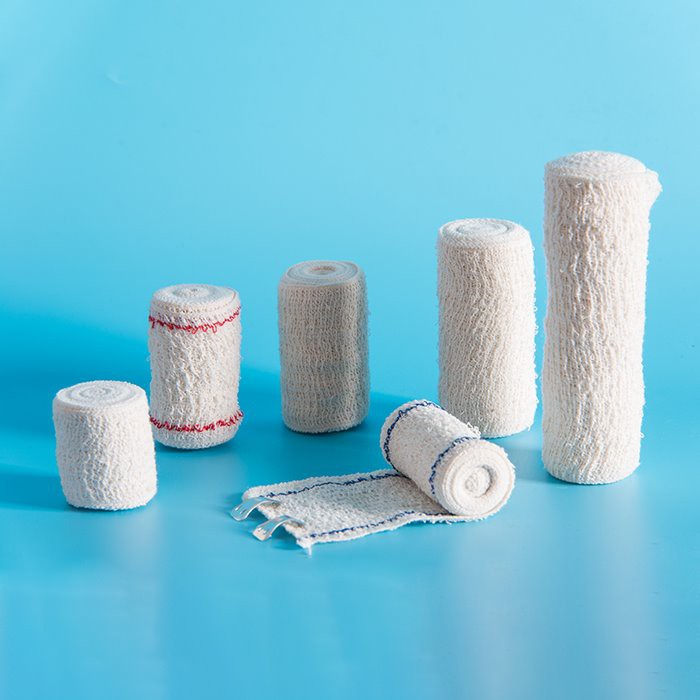
Storing elastic bandages properly is crucial for maintaining their quality, effectiveness, and longevity. As a trusted supplier of a wide range of elastic bandages, including the Spandex Tabby Bandage, Muscle Strain Elastic Bandage, and Sprained Wrist Elastic Bandage, I understand the importance of proper storage. In this blog post, I will share some essential tips on how to store elastic bandages correctly.
Understanding the Importance of Proper Storage
Elastic bandages are designed to provide support, compression, and stability to injured or strained body parts. However, if they are not stored properly, their elasticity, integrity, and overall performance can be compromised. Exposure to factors such as heat, moisture, sunlight, and chemicals can cause the bandages to deteriorate, lose their stretch, or develop mold and mildew. This not only reduces their effectiveness but also poses a risk to the user's health.
Choosing the Right Storage Location
The first step in storing elastic bandages properly is to choose the right location. Ideally, the storage area should be cool, dry, and away from direct sunlight. Here are some specific recommendations:
- Temperature: The temperature of the storage area should be between 50°F and 77°F (10°C and 25°C). Extreme temperatures can cause the elastic fibers in the bandages to break down, leading to a loss of elasticity. Avoid storing the bandages in areas that are prone to temperature fluctuations, such as attics, basements, or garages.
- Humidity: The humidity level in the storage area should be between 30% and 60%. High humidity can promote the growth of mold and mildew, which can damage the bandages and make them unhygienic. To control humidity, you can use a dehumidifier or place moisture-absorbing packets in the storage area.
- Sunlight: Direct sunlight can cause the colors of the bandages to fade and the elastic fibers to degrade. Store the bandages in a dark or shaded area, such as a closet or a cabinet. If you need to store the bandages in a transparent container, make sure it is made of a UV-resistant material.
Preparing the Bandages for Storage
Before storing the elastic bandages, it is important to prepare them properly. Here are some steps to follow:
- Clean the Bandages: If the bandages have been used, make sure to clean them thoroughly according to the manufacturer's instructions. Use a mild detergent and warm water to remove any dirt, sweat, or debris from the bandages. Rinse the bandages thoroughly and allow them to dry completely before storing them.
- Inspect the Bandages: Before storing the bandages, inspect them for any signs of damage, such as tears, holes, or fraying. If you notice any damage, discard the bandages immediately to prevent them from causing injury to the user.
- Roll the Bandages: Roll the bandages tightly to prevent them from unraveling and to save space in the storage area. Make sure to roll the bandages in the same direction as they were originally rolled to maintain their elasticity.
Selecting the Right Storage Container
The next step in storing elastic bandages properly is to select the right storage container. Here are some factors to consider:
- Material: The storage container should be made of a durable, non-toxic material that will protect the bandages from damage and contamination. Plastic containers, such as storage bins or zip-lock bags, are a popular choice because they are lightweight, easy to clean, and provide a good barrier against moisture and dust.
- Size: The storage container should be large enough to accommodate the bandages without overcrowding them. Overcrowding can cause the bandages to become wrinkled, which can reduce their effectiveness. Make sure to leave some extra space in the container to allow for air circulation.
- Closure: The storage container should have a tight-fitting closure to prevent dust, moisture, and pests from entering. Zipper closures, snap closures, or lids with a rubber gasket are all good options.
Organizing the Bandages in the Storage Container
Once you have selected the right storage container, it is important to organize the bandages inside it. Here are some tips to help you organize the bandages effectively:
- Categorize the Bandages: Group the bandages by type, size, or intended use. This will make it easier to find the bandages you need when you need them. For example, you can categorize the bandages as ankle bandages, wrist bandages, or general-purpose bandages.
- Label the Containers: Label the storage containers with the type, size, and quantity of the bandages inside. This will help you keep track of your inventory and ensure that you have the right bandages on hand when you need them. You can use a label maker or simply write the information on the container with a permanent marker.
- Store the Bandages Vertically: Storing the bandages vertically will help to prevent them from becoming wrinkled and will make it easier to access them. You can use dividers or shelves inside the storage container to keep the bandages organized.
Regularly Inspecting and Maintaining the Stored Bandages
Even if you store the elastic bandages properly, it is still important to regularly inspect and maintain them. Here are some steps to follow:
- Check the Bandages for Damage: Periodically inspect the bandages for any signs of damage, such as tears, holes, or fraying. If you notice any damage, discard the bandages immediately to prevent them from causing injury to the user.
- Test the Elasticity of the Bandages: To ensure that the bandages are still elastic, you can stretch them gently and observe how they return to their original shape. If the bandages do not return to their original shape or if they feel stiff or brittle, they may have lost their elasticity and should be replaced.
- Replace the Bandages Regularly: Elastic bandages have a limited lifespan, even if they are stored properly. It is recommended to replace the bandages every 6 to 12 months, depending on the frequency of use and the storage conditions.
Conclusion
Proper storage of elastic bandages is essential for maintaining their quality, effectiveness, and longevity. By following the tips outlined in this blog post, you can ensure that your elastic bandages are stored in the best possible conditions and are ready to use when you need them. As a supplier of high-quality elastic bandages, I am committed to helping you make the most of your products. If you have any questions or need further information on storing elastic bandages, please do not hesitate to contact me. We are always ready to assist you with your procurement needs and look forward to discussing how we can meet your specific requirements.

References
- American Medical Association. (2023). Guidelines for the Storage of Medical Supplies.
- World Health Organization. (2023). Best Practices for the Storage and Handling of Medical Devices.