

Is spandex crepe bandage affected by temperature?
Jun 06, 2025
Hey there! I'm a supplier of Spandex Crepe Bandage, and today I wanna talk about a question that often pops up: Is spandex crepe bandage affected by temperature?
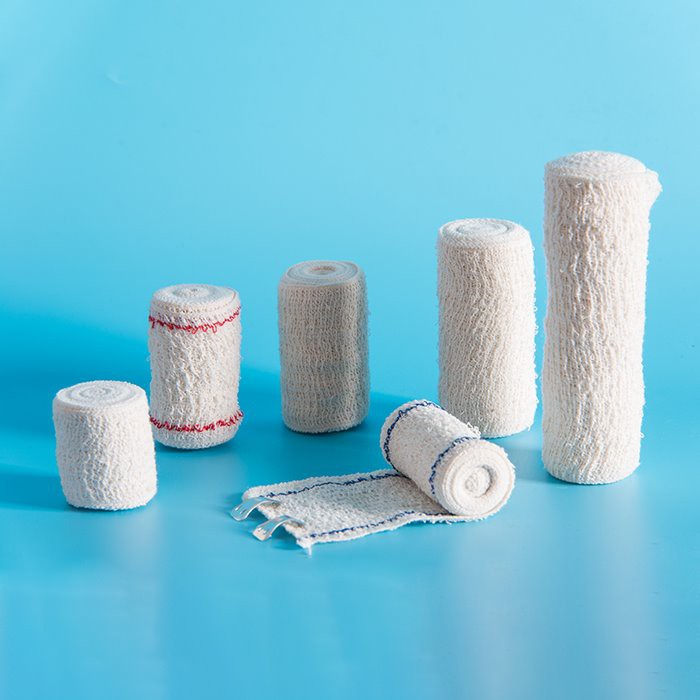
Let's start by understanding what spandex crepe bandage is. It's a super - useful medical product. The spandex in it gives the bandage elasticity, allowing it to stretch and conform to different body parts. The crepe part provides a soft, breathable texture, which is great for wrapping around injuries like sprains or strains. We've got different types of these bandages, like the Spandex Tabby Bandage, Muscle Strain Elastic Bandage, and Sprained Wrist Elastic Bandage.
How Temperature Affects Elasticity
First off, temperature can have a big impact on the elasticity of spandex crepe bandages. When it's cold, say around 0 - 10°C (32 - 50°F), the spandex material in the bandage becomes stiffer. You know how when you're cold, your muscles feel tight? Well, it's a bit like that for the spandex. The molecules in the spandex slow down and bunch up, making it harder for the bandage to stretch.
This stiffness can be a real pain in the neck (or wherever you're using the bandage). If you're trying to wrap a sprained ankle with a cold spandex crepe bandage, it won't stretch as easily as it should. You might end up applying uneven pressure, which can be uncomfortable for the patient and might not provide the right kind of support.
On the flip side, when it's hot, like in temperatures above 30°C (86°F), the spandex becomes more elastic. The heat makes the molecules in the spandex move around more freely. It can stretch more easily, but there's a catch. It might not hold its shape as well. You could end up with a bandage that's too loose after a while, and it won't provide the necessary compression. For example, if you're using a Muscle Strain Elastic Bandage during a hot summer day, you might find that it starts to sag and doesn't support the muscle as effectively as it should.
Impact on Adhesion
Temperature also affects how well the bandage adheres to itself. In cold temperatures, the adhesive properties of any glue or self - adhering parts of the spandex crepe bandage can be reduced. The glue might not stick as well, so the bandage could start to come loose. This is especially important if you're using the bandage for a long - term application, like for a chronic injury.
In hot temperatures, the adhesive can become too sticky. It might start to melt a bit, which can be messy. If the bandage is stuck to the skin, removing it can be painful and might even cause skin irritation.
Moisture and Temperature
Another thing to consider is the relationship between temperature and moisture. In high - humidity and high - temperature conditions, the bandage can absorb moisture from the air. This can make it heavier and can also affect its elasticity. The moisture can seep into the spandex and crepe layers, causing them to lose some of their structural integrity.
When it's cold and damp, the bandage can get wet from condensation. This wet bandage not only feels yucky but can also increase the risk of skin problems like rashes and infections.
Storage Considerations
As a supplier, I always tell my customers about the importance of proper storage. You should store spandex crepe bandages in a cool, dry place. A room temperature of around 20 - 25°C (68 - 77°F) is ideal. This way, the bandage will keep its properties intact until you need to use it.
If you store the bandage in a hot attic or a cold basement, you're likely to run into problems. The bandage might be too stiff or too loose when you finally take it out. And let's face it, you don't want to waste money on a bandage that doesn't work properly because of bad storage.
Applications in Different Environments
Now, let's talk about how these temperature effects play out in real - world applications. In sports medicine, athletes are often exposed to different temperatures. For example, a soccer player might be playing in the cold rain one day and in the hot sun the next. If they're using a Sprained Wrist Elastic Bandage, they need to be aware of how the temperature can affect the bandage.
In a hospital setting, the temperature is usually controlled, but there are still times when patients are moved outside or when the air - conditioning isn't working perfectly. Nurses and doctors need to keep an eye on how the bandage is performing and adjust it if necessary.
Solutions
So, what can you do to deal with these temperature - related issues? Well, if it's cold, you can warm up the bandage a bit before use. You can do this by holding it in your hands for a few minutes. This will make it more pliable and easier to stretch.

If it's hot, you might need to check the bandage more often to make sure it's still providing the right amount of support. You can also use additional tape or fasteners to keep it in place.
Conclusion
In conclusion, temperature definitely affects spandex crepe bandages. It can change the elasticity, adhesion, and overall performance of the bandage. As a supplier, I'm always looking for ways to make our bandages more resistant to temperature changes. But for now, it's important for users to be aware of these effects and take the necessary precautions.
If you're in the market for high - quality spandex crepe bandages, whether it's the Spandex Tabby Bandage, Muscle Strain Elastic Bandage, or Sprained Wrist Elastic Bandage, feel free to reach out. We can talk about your specific needs and how our products can meet them. Let's start a conversation about your bandage requirements and see how we can work together!
References
- Textbook on Medical Textiles
- Research Papers on the Effects of Temperature on Elastic Materials