

What happens if a surgical POP bandage is wrapped too tightly?
Aug 08, 2025
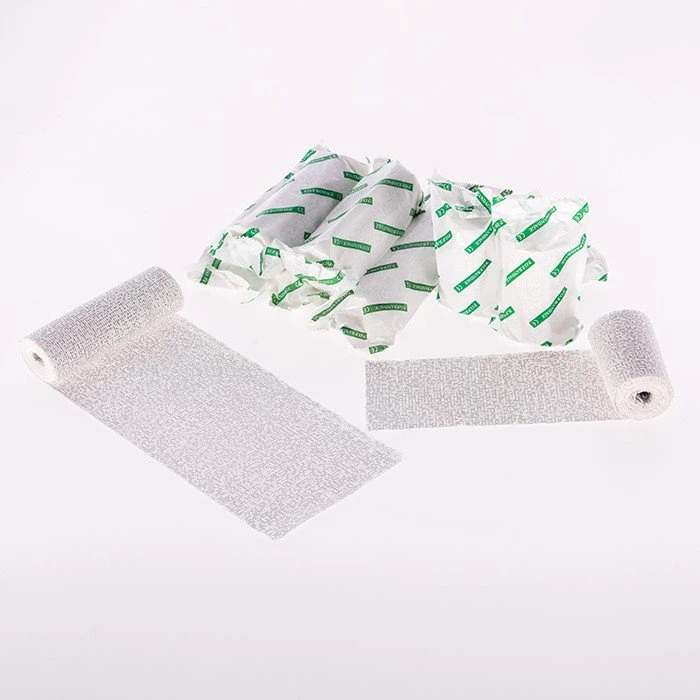
When it comes to orthopedic treatments, surgical POP (Plaster of Paris) bandages have long been a staple in the medical field. As a reliable supplier of high - quality surgical POP bandages, including the Orthopaedic Plaster of Paris Bandage, Gypsona Pop Bandage, and Colorful Bandage, I understand the significance of proper application. However, one common concern that often arises is what happens if a surgical POP bandage is wrapped too tightly. In this blog, I'll delve into the potential consequences and explain why correct application is crucial.
Immediate Circulatory Issues
The most immediate and perhaps the most critical consequence of wrapping a surgical POP bandage too tightly is impaired blood circulation. The human body relies on a continuous flow of blood to deliver oxygen and nutrients to tissues and organs and to remove waste products. When a bandage is overly tight, it can act as a tourniquet, restricting the normal blood flow to the area encased by the bandage.
Initially, patients may experience a feeling of numbness or tingling in the limb. This is because the nerves in the affected area are not receiving an adequate blood supply. As the circulation continues to be restricted, the skin may start to turn pale or even blue, indicating a lack of oxygen. Coldness in the limb is another tell - tale sign. Without proper blood flow, the body's natural warming mechanisms are disrupted, and the limb can feel significantly cooler to the touch than the surrounding areas.
If the situation persists, the lack of oxygen and nutrients can lead to tissue damage. In severe cases, this can progress to ischemia, a condition where the tissue begins to die due to insufficient blood supply. Ischemia can be extremely painful and may require immediate medical intervention, including the removal of the bandage to restore blood flow.
Swelling and Edema
Wrapping a POP bandage too tightly can also cause swelling and edema. Normally, the body has a system to regulate fluid balance in the tissues. When the bandage restricts blood flow, it also disrupts the normal movement of fluids in and out of the cells. Fluid begins to accumulate in the interstitial spaces, leading to swelling.
This swelling can be quite uncomfortable for the patient. The pressure from the swelling can exacerbate the tightness of the bandage, creating a vicious cycle. As the swelling increases, the patient may experience pain, which can range from a dull ache to sharp, stabbing sensations. In some cases, the swelling can be so severe that it puts additional pressure on the nerves and blood vessels, further worsening the circulatory problems.

Nerve Compression
Nerves are delicate structures that can be easily damaged by excessive pressure. When a POP bandage is wrapped too tightly, it can compress the nerves in the area. This nerve compression can lead to a variety of neurological symptoms.
Patients may experience weakness in the affected limb. This is because the nerves are unable to transmit signals effectively between the brain and the muscles. Muscle atrophy, or the wasting away of muscle tissue, can also occur over time if the nerve compression is not resolved. The lack of nerve stimulation causes the muscles to lose their strength and mass.
In addition to weakness, patients may also suffer from a loss of sensation. They may not be able to feel light touches, pain, or temperature changes in the area covered by the bandage. This loss of sensation can be dangerous as it can prevent the patient from detecting further injuries or problems in the affected limb.
Skin Complications
The skin is the body's first line of defense, and wrapping a POP bandage too tightly can cause a range of skin - related problems. The constant pressure from the tight bandage can lead to pressure sores. These are areas of damaged skin and underlying tissue that develop due to prolonged pressure on the skin. Pressure sores usually start as red, tender areas that can progress to open wounds if not treated promptly.
In addition to pressure sores, the tight bandage can also cause skin irritation and itching. The lack of air circulation under the bandage can create a warm, moist environment that is conducive to the growth of bacteria and fungi. This can lead to skin infections, such as cellulitis or fungal infections. These infections can be painful and may require antibiotic or antifungal treatment.
Psychological Impact
The physical consequences of a tightly wrapped POP bandage are not the only concerns. There can also be a significant psychological impact on the patient. The pain, discomfort, and limitations caused by the tight bandage can lead to anxiety and stress. Patients may become worried about the long - term effects on their limb and may have difficulty sleeping or performing their normal daily activities.
The inability to move the affected limb freely can also lead to feelings of helplessness and frustration. For patients who are already dealing with an injury or illness, the added burden of a poorly applied bandage can be emotionally overwhelming.
Importance of Proper Application
As a supplier of surgical POP bandages, I cannot stress enough the importance of proper application. Healthcare professionals should be well - trained in the correct techniques for applying POP bandages. They need to ensure that the bandage is wrapped tightly enough to provide support but not so tight that it causes the problems mentioned above.
Before applying the bandage, the healthcare provider should assess the patient's limb for any signs of swelling or existing circulatory problems. They should also take into account the patient's comfort level during the application process. After the bandage is applied, regular monitoring is essential. The healthcare provider should check the patient's limb for any signs of numbness, tingling, swelling, or changes in skin color or temperature.
Conclusion
In conclusion, wrapping a surgical POP bandage too tightly can have serious consequences for the patient. From circulatory problems and swelling to nerve compression and skin complications, the effects can be both physically and psychologically distressing. As a supplier of high - quality surgical POP bandages, I am committed to providing products that are safe and effective when used correctly.
If you are in the medical field and are interested in sourcing reliable surgical POP bandages, including our Orthopaedic Plaster of Paris Bandage, Gypsona Pop Bandage, and Colorful Bandage, please reach out to us for a procurement discussion. We are ready to provide you with the best products and support to ensure the well - being of your patients.
References
- American Academy of Orthopaedic Surgeons. (20XX). Guidelines for Orthopedic Bandage Application.
- National Institute of Neurological Disorders and Stroke. (20XX). Nerve Compression Syndromes Fact Sheet.
- World Health Organization. (20XX). Best Practices for Wound Care and Bandage Use.