

What is the setting time of Plaster of Paris Gauze?
Jul 18, 2025
Hey there! As a supplier of Plaster of Paris Gauze, I often get asked about one crucial aspect: the setting time of Plaster of Paris Gauze. Let's dig into this topic and find out what it's all about.
Understanding Plaster of Paris Gauze
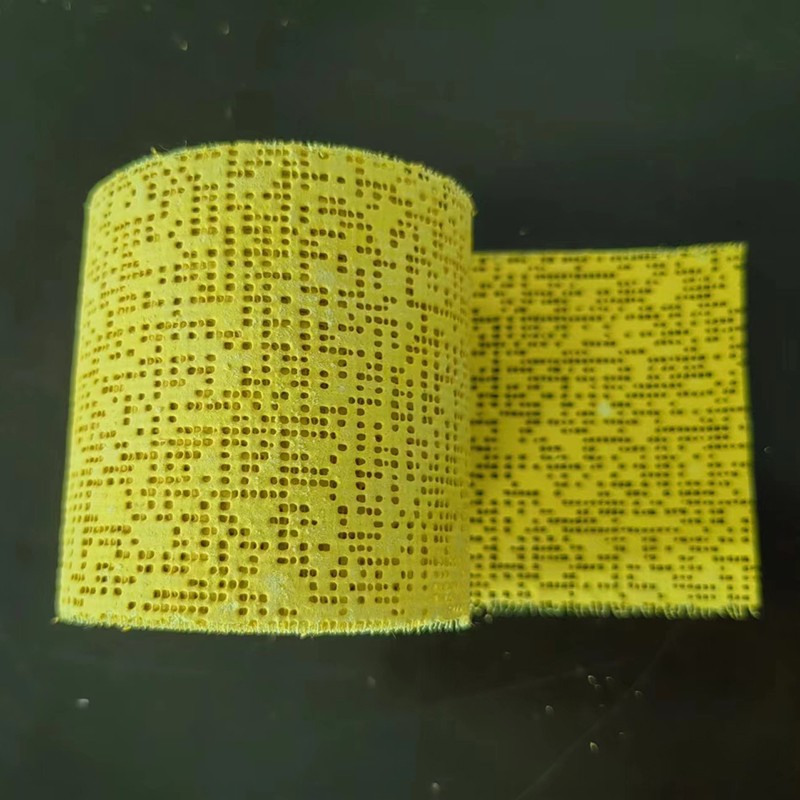
First off, let's quickly go over what Plaster of Paris Gauze is. It's a type of bandage that combines a gauze material with plaster of Paris. This combination makes it really useful in various medical and non - medical applications. In the medical field, it's commonly used for making casts to immobilize broken bones. Outside of medicine, it can be used for art projects, like creating sculptures or molds.
We offer a variety of related products on our website. Check out our Colorful Bandage, Medical Plaster of Paris Bandage, and Gypsum Round Piece.
What Affects the Setting Time?
The setting time of Plaster of Paris Gauze isn't fixed; it can vary based on several factors.
Water Temperature
One of the biggest factors is the temperature of the water you use to activate the plaster. If you use warm water, the setting time will be shorter. Warm water speeds up the chemical reaction between the plaster and water. On the other hand, cold water slows down this reaction, giving you more time to work with the bandage before it sets. For example, if you're in a hurry to make a quick cast, using warm water around 30 - 35°C (86 - 95°F) can be a good idea. But if you're doing a more complex art project and need more time to shape the bandage, cold water around 10 - 15°C (50 - 59°F) is better.
Thickness of the Bandage Layer
The number of layers of Plaster of Paris Gauze you apply also impacts the setting time. A single layer will set much faster than multiple layers. When you apply multiple layers, the inner layers take longer to dry because the outer layers act as a barrier, preventing the moisture from escaping quickly. So, if you're in a situation where you need a faster - setting cast, using fewer layers is the way to go.
Humidity
The humidity in the environment plays a role too. In a high - humidity environment, the plaster takes longer to set because there's already a lot of moisture in the air. The excess moisture slows down the evaporation process, which is necessary for the plaster to harden. In contrast, in a dry environment, the setting time is reduced as the moisture can evaporate more quickly.
Typical Setting Times
Under normal conditions, with room temperature water (around 20 - 25°C or 68 - 77°F) and a single layer of Plaster of Paris Gauze, the initial setting time is usually around 3 - 5 minutes. This means that the bandage starts to lose its flexibility and begins to harden. The final setting time, when the plaster is fully hardened and can support some weight, is typically around 15 - 20 minutes.
However, if you're using multiple layers or different water temperatures, these times can change significantly. For instance, if you use warm water and apply three layers of the bandage, the initial setting time might be reduced to 2 - 3 minutes, but the final setting time could still take 20 - 30 minutes because of the extra layers.

Importance of Knowing the Setting Time
Knowing the setting time of Plaster of Paris Gauze is crucial, especially in medical applications. In a hospital setting, doctors and nurses need to work quickly to apply the bandage correctly before it sets. If they don't, the cast won't be properly shaped, which can lead to discomfort for the patient and may even affect the healing process.
In art projects, understanding the setting time allows artists to plan their work better. They can take their time to create detailed sculptures or molds without having to rush.
Tips for Controlling the Setting Time
If you want to control the setting time, here are some tips:
Adjust the Water Temperature
As mentioned earlier, warm water speeds up the setting time, and cold water slows it down. So, depending on your needs, you can choose the appropriate water temperature.
Use Additives
There are some additives available in the market that can either speed up or slow down the setting time. For example, retarders can be added to the water to slow down the reaction, giving you more time to work with the bandage. Accelerators, on the other hand, can be used to speed up the setting process.
Work in a Controlled Environment
Try to work in an environment with stable humidity and temperature. If possible, use a dehumidifier in a high - humidity area to reduce the moisture in the air and speed up the setting time.
Conclusion
The setting time of Plaster of Paris Gauze is a variable factor that depends on water temperature, the thickness of the bandage layer, and humidity. By understanding these factors and how they interact, you can better control the setting time to suit your specific needs, whether it's for medical casts or art projects.
If you're interested in purchasing our Plaster of Paris Gauze or any of our related products, don't hesitate to reach out for a procurement discussion. We're here to help you get the best products for your requirements.
References
- Textbooks on medical materials and casting techniques
- Industry research on plaster - based products and their properties