

What materials are elastic bandages made of?
Jul 09, 2025
Hey there! As a supplier of elastic bandages, I often get asked about what these bandages are made of. So, I thought I'd dive into this topic and share all the deets with you.
Elastic bandages are super useful. They're used for all sorts of things, like supporting joints, reducing swelling, and providing compression during injuries. But what exactly goes into making them? Well, there are a few common materials, and each has its own unique properties.
Cotton
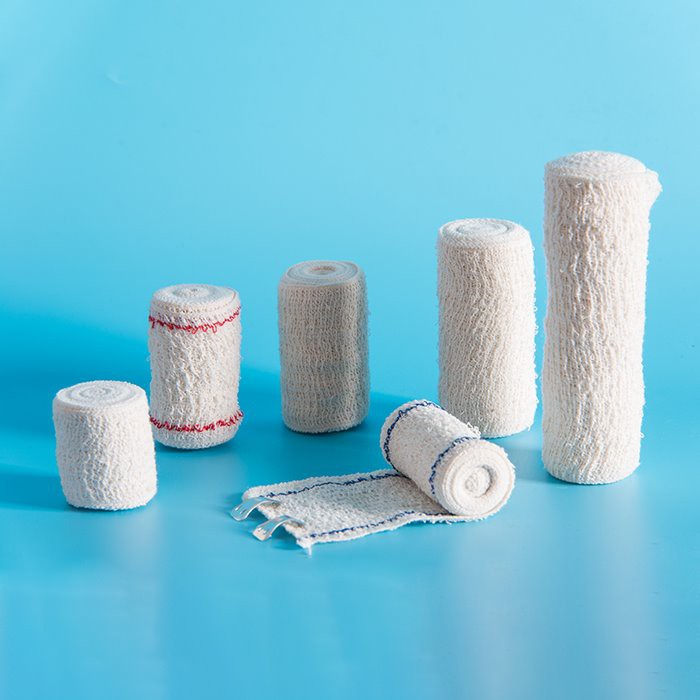
Cotton is one of the most widely used materials in elastic bandages. It's a natural fiber that's soft and breathable. This means it's gentle on the skin, reducing the risk of irritation, especially for people with sensitive skin. When you wear a cotton-based elastic bandage, it allows air to circulate, preventing that sticky, sweaty feeling that can sometimes come with other materials.
The great thing about cotton is its absorbency. It can soak up sweat and moisture, keeping the area under the bandage dry. This is crucial for wound healing because a moist environment can promote the growth of bacteria. Cotton elastic bandages are often used for minor injuries and for people who need to wear the bandage for an extended period.
However, cotton does have its limitations. It doesn't have as much elasticity as some other materials. So, while it can provide some support, it might not be the best choice for high-stress areas or for providing strong compression. But hey, if you're looking for comfort and breathability, cotton is a solid option.
Spandex
Now, let's talk about spandex. Spandex is a synthetic fiber known for its incredible stretchiness. It can stretch up to several times its original length and then snap back into place without losing its shape. This makes it perfect for elastic bandages because it can provide a snug and secure fit.
Spandex bandages are great for providing compression. They can help reduce swelling by applying pressure to the affected area. This is especially useful for sprains and strains. When you have a sprained ankle or wrist, for example, a spandex bandage can help keep the joint stable and reduce the amount of fluid that accumulates in the area.
One of our popular products, the Spandex Tabby Bandage, is made with a high percentage of spandex. It's designed to be flexible and comfortable, while still providing strong compression. The tabby design also makes it easy to apply and adjust the bandage to your desired level of tightness.
But spandex isn't without its drawbacks. It's not as breathable as cotton, so it can get a bit hot and sweaty when worn for long periods. And some people might be allergic to synthetic materials like spandex. So, it's important to consider these factors before choosing a spandex bandage.
Polyester
Polyester is another synthetic material commonly used in elastic bandages. It's strong, durable, and resistant to wrinkles and shrinking. This means that polyester bandages can withstand a lot of wear and tear, making them a cost-effective option.
Polyester has good elasticity, although not as much as spandex. It can provide a moderate level of support and compression. It's also easy to clean and maintain. You can simply toss a polyester bandage in the washing machine, and it'll come out looking as good as new.
One of the benefits of polyester is its ability to blend well with other materials. It's often combined with cotton or spandex to create a bandage that has the best of both worlds. For example, a polyester-cotton blend bandage can offer the breathability of cotton and the durability of polyester.
Rayon
Rayon is a semi-synthetic fiber made from wood pulp. It has a soft and smooth texture, similar to silk. Rayon is breathable and absorbent, making it a comfortable choice for elastic bandages. It can also be dyed easily, so you can find rayon bandages in a variety of colors.
Rayon bandages are often used for cosmetic purposes or for people who want a bandage that looks a bit more stylish. They're not as elastic as spandex, but they can still provide some support and compression. However, rayon is not as strong as some other materials, so it might not be the best choice for heavy-duty applications.
Blends
In many cases, elastic bandages are made from a blend of different materials. This allows manufacturers to combine the best properties of each material. For example, a blend of cotton and spandex can provide the comfort and breathability of cotton with the stretch and compression of spandex.
Our Sprained Wrist Elastic Bandage is a great example of a blended bandage. It's made with a combination of cotton and spandex to provide a comfortable fit and strong compression for wrist injuries. The cotton helps keep the skin cool and dry, while the spandex ensures a snug and secure fit.
Another popular blend is polyester and spandex. This combination offers durability, elasticity, and good compression. The Conforming Elastic Bandage is made with a polyester-spandex blend. It's designed to conform to the shape of the body, providing support and compression where it's needed most.
Choosing the Right Material
So, how do you choose the right elastic bandage material for your needs? Well, it depends on a few factors.
If you have sensitive skin, cotton or a cotton blend might be the best choice. These materials are gentle and breathable, reducing the risk of irritation.
For high-stress areas or for providing strong compression, spandex or a spandex blend is a good option. These bandages can stretch and provide the support you need to keep the joint stable.
If you're looking for a durable and easy-to-maintain bandage, polyester or a polyester blend is a great choice. These bandages can withstand a lot of wear and tear and can be easily cleaned.
And if you want a bandage that's comfortable and looks good, rayon or a rayon blend might be the way to go. These bandages have a soft and smooth texture and come in a variety of colors.
Contact Us for Your Elastic Bandage Needs
We're a leading supplier of elastic bandages, and we offer a wide range of products made from different materials. Whether you're a healthcare professional, an athlete, or someone who just needs a bandage for a minor injury, we've got you covered.
If you're interested in purchasing our elastic bandages or have any questions about our products, feel free to reach out to us. We're here to help you find the right bandage for your needs and provide you with the best possible service.

So, don't hesitate to contact us for all your elastic bandage needs. We look forward to working with you!
References
- "Textile Science and Technology: Fibers, Yarns, Fabrics, and Nonwovens" by Fred A. Roberts
- "Medical Textiles: Design, Development, and Applications" by S. Anand and D. Ghosh