

Are there any restrictions on using a POP Bandage?
Jul 07, 2025
Hey there! As a supplier of POP Bandages, I often get asked about the restrictions on using these handy products. So, let's dive right in and explore this topic.
First off, what exactly is a POP Bandage? Well, it's short for Plaster of Paris Bandage. These bandages are typically made of a fabric that's impregnated with plaster powder. When you soak them in water, the plaster sets, hardening into a rigid support for injured limbs, kind of like a cast.
General Usage Restrictions
One of the most important restrictions is related to the application area. POP Bandages should only be used on clean, dry skin. If the skin is dirty, it can trap bacteria under the hardened bandage, leading to infections. For example, if someone has an open wound, you shouldn't apply a POP Bandage directly over it. Instead, the wound should be properly cleaned, dressed, and maybe even have a protective barrier in place before using the bandage.
Another crucial thing is the tightness of the bandage. You can't wrap it too tightly. When a POP Bandage is wrapped too snugly, it can cut off blood circulation. This can cause a whole host of problems, like numbness, tingling, or even more serious issues like tissue damage. On the flip side, if it's wrapped too loosely, it won't provide the necessary support. So, finding that sweet spot is key.
Patient - Specific Restrictions
Age matters when it comes to using POP Bandages. For infants and very young children, extra caution is needed. Their skin is more delicate and sensitive. The chemicals in the plaster might cause skin irritation. Also, they may not be able to communicate discomfort well, so it's essential to monitor them closely.
People with certain medical conditions also have restrictions. For instance, individuals with diabetes often have poor blood circulation. Applying a POP Bandage can further compromise the blood flow in their limbs, increasing the risk of complications. Similarly, those with skin conditions like eczema or psoriasis may experience flare - ups due to the contact with the plaster.
Storage and Shelf - Life Restrictions
Before we talk more about usage, let's touch on storage. POP Bandages need to be stored in a dry place. If they get exposed to moisture before use, the plaster can start to set prematurely. Once that happens, the bandage becomes useless. The shelf - life of these bandages is typically a couple of years, but it can vary depending on the manufacturer. Always check the expiration date before using a bandage.
Special Types of POP Bandages and Their Considerations
We offer different types of POP Bandages, like the Gypsum Round Piece. These are great for covering small, circular areas, like a finger or a small joint. But because they're smaller, you need to be extra careful with the application. Make sure they're centered correctly on the injury to get the best support.
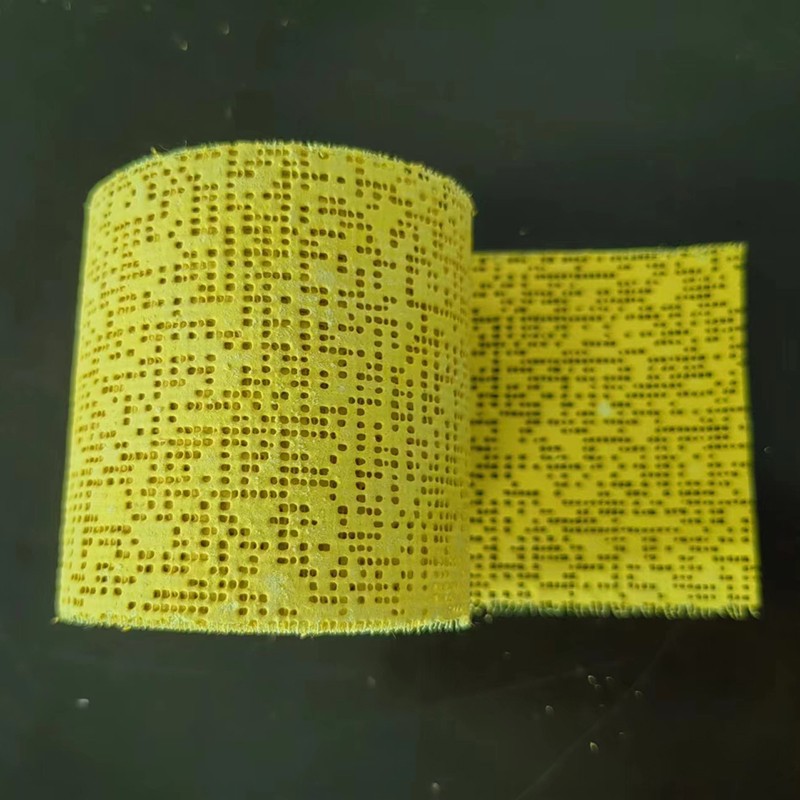
The Colorful Bandage is quite popular, especially among kids. However, the dyes used in these colorful bandages might cause an allergic reaction in some people. So, it's a good idea to do a small patch test on a non - injured part of the skin before full application.
Then there's the Plaster Impregnated Bandage. This type is more commonly used in medical settings. It provides strong support but also requires more skill to apply correctly. You need to ensure that the layers are evenly distributed to avoid uneven pressure on the limb.

Application Process Restrictions
When applying a POP Bandage, there's a proper sequence that you should follow. First, measure the area where you're going to apply the bandage. This helps you determine how much bandage you'll need. You can't just start wrapping without a plan.
After soaking the bandage in water, you have a limited time to apply it. Once you take it out of the water, the setting process starts. You typically have about 2 - 3 minutes to get it in place and shaped correctly. If you take too long, the bandage will harden before you can position it properly.
Post - Application Restrictions
Once the POP Bandage is applied, the patient needs to keep the limb as still as possible while it dries. Moving around too much can cause the bandage to crack or shift, reducing its effectiveness. Also, the patient should avoid getting the bandage wet. If it gets wet after it's set, it can soften and lose its shape.
Different Uses and Associated Restrictions
POP Bandages aren't just used for medical support. They're also used in arts and crafts. When using them for non - medical purposes, like making sculptures, you still have restrictions. You need to be in a well - ventilated area. The fumes from the setting plaster can be harmful if inhaled in large amounts.
Our Product Range and How It Relates to Restrictions
We take these restrictions seriously when manufacturing our POP Bandages. Our Gypsum Round Piece is designed to be easy to handle, reducing the risk of improper application. The Colorful Bandage is made with skin - friendly dyes to minimize the chances of allergic reactions. And our Plaster Impregnated Bandage is of high - quality, ensuring a longer shelf - life and better performance.
If you're in the market for POP Bandages, whether it's for medical use, arts, or other applications, we've got you covered. We understand all the restrictions and make sure our products meet the highest standards to minimize risks.
If you're interested in purchasing our POP Bandages, we'd love to have a chat with you. Reach out to us to start the procurement process and discuss your specific needs. We're here to provide you with the best products and advice on their proper use.
References
- Medical Textbook on Orthopedic Casting
- Manufacturer's guidelines for POP Bandages