

Can a cohesive bandage be used for joint support?
Sep 11, 2025
Can a cohesive bandage be used for joint support?
As a supplier of cohesive bandages, I often encounter inquiries from customers about the various applications of these products, especially regarding their use for joint support. In this blog post, I'll delve into the science behind using cohesive bandages for joint support, explore the types of cohesive bandages available, and provide insights based on industry knowledge and best practices.
Understanding Cohesive Bandages
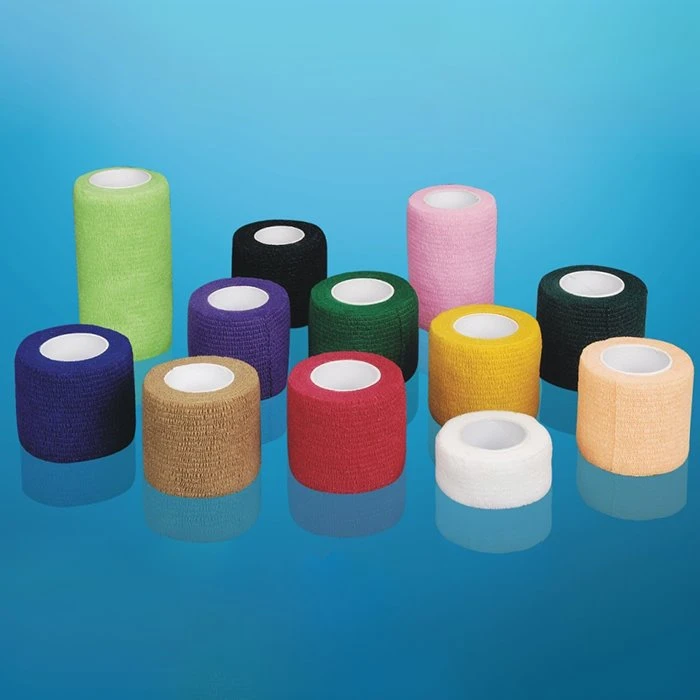
Cohesive bandages are self - adhering elastic wraps that stick to themselves but not to the skin or hair. This unique property makes them convenient and comfortable to use. They are commonly made from materials such as non - woven fabrics, cotton, or a combination of synthetic fibers. These bandages exert gentle pressure when wrapped around a body part, which can serve multiple purposes, including providing support.
The Science of Joint Support
Joints are complex structures that connect bones and allow for movement. When a joint is stressed, overused, or injured, it may benefit from external support. Cohesive bandages can offer support in several ways:

- Stabilization: By wrapping a cohesive bandage around a joint, it can help limit excessive movement. For example, in the case of a sprained ankle, a properly applied cohesive bandage can prevent the ankle from rolling too far in either direction, reducing the risk of further injury.
- Compression: The pressure exerted by the bandage can improve blood circulation around the joint. Good blood flow is essential for delivering oxygen and nutrients to the tissues, which aids in the healing process. Additionally, compression can help reduce swelling by preventing fluid from accumulating in the area.
- Proprioception: The presence of the bandage on the joint can enhance proprioception, which is the body's ability to sense the position and movement of its parts. This increased awareness can lead to more coordinated movement and potentially reduce the likelihood of re - injury.
Types of Cohesive Bandages for Joint Support
Nonwoven Self - adhesive Elastic Bandage
The Nonwoven Self - adhesive Elastic Bandage is a popular choice for joint support. Nonwoven materials are lightweight and breathable, which makes them comfortable for extended wear. They conform well to the shape of the joint, providing a snug fit. This type of bandage is often used in sports medicine settings, where athletes need support during physical activity. For example, a runner may use a nonwoven cohesive bandage on their knee to provide support during a long - distance run.
Cotton Self - adhesive Elastic Bandage
The Cotton Self - adhesive Elastic Bandage is another option. Cotton is a natural fiber known for its softness and absorbency. It is gentle on the skin, making it suitable for individuals with sensitive skin. The elasticity of the cotton bandage allows it to stretch and provide support to the joint while still being comfortable. This type of bandage is commonly used in clinical and home care settings for joint support during rehabilitation.
Steroplast Elastic Cohesive Bandage
The Steroplast Elastic Cohesive Bandage is designed to offer high - performance support. It has a strong cohesive property, ensuring that the bandage stays in place even during strenuous activity. The elastic nature of the Steroplast bandage provides consistent support to the joint, making it a reliable choice for both athletes and individuals with chronic joint conditions.
Proper Application of Cohesive Bandages for Joint Support
Applying a cohesive bandage correctly is crucial to ensure effective joint support. Here are some general guidelines:
- Clean the Area: Before applying the bandage, make sure the skin around the joint is clean and dry. This helps the bandage adhere better and reduces the risk of skin irritation.
- Start at the Base: Begin wrapping the bandage at the base of the joint, using a firm but not overly tight pressure. For example, when wrapping an ankle, start just above the heel.
- Overlap the Wraps: As you wrap the bandage around the joint, overlap each layer by about half of the width of the bandage. This ensures even pressure distribution.
- Avoid Cutting off Circulation: Check for any signs of restricted blood flow, such as numbness, tingling, or the area turning pale or blue. If you notice these symptoms, loosen the bandage immediately.
- Secure the End: Once you have wrapped the joint, secure the end of the bandage by tucking it under the previous layer or using a small clip if provided.
Considerations and Limitations
While cohesive bandages can be effective for joint support, there are some considerations and limitations:
- Not a Substitute for Medical Treatment: A cohesive bandage is not a replacement for professional medical advice. In cases of severe joint injuries, such as fractures or dislocations, immediate medical attention is required.
- Proper Sizing: Using the correct size of the bandage is important. A bandage that is too narrow may not provide adequate support, while one that is too wide may be difficult to apply and may not stay in place.
- Skin Sensitivity: Although most cohesive bandages are designed to be gentle on the skin, some individuals may still experience skin irritation. It's important to monitor the skin for any signs of redness, itching, or rash.
Conclusion
In conclusion, cohesive bandages can be a valuable tool for joint support. They offer stabilization, compression, and enhanced proprioception, which can aid in injury prevention and rehabilitation. Our range of Nonwoven Self - adhesive Elastic Bandage, Cotton Self - adhesive Elastic Bandage, and Steroplast Elastic Cohesive Bandage provides options to suit different needs and preferences.
If you are interested in purchasing high - quality cohesive bandages for joint support or have any questions about our products, we encourage you to reach out. We are ready to engage in discussions about your specific requirements and offer the best solutions for your business or personal needs.
References
- Bandage Application Techniques: A Clinical Guide. Medical Publishing House, 2018.
- Sports Medicine: Principles and Practice. Oxford University Press, 2020.
- The Science of Compression Therapy. Cambridge University Press, 2019.