

Can a POP Bandage be used for eye injuries?
Nov 14, 2025
When it comes to injuries, the right type of bandage can make a significant difference in the healing process. As a supplier of POP Bandages, I often receive questions from customers about the appropriate use of our products. One query that has come up more frequently is whether a POP Bandage can be used for eye injuries. In this blog post, I'll explore this question in detail, drawing on scientific knowledge and industry best practices.
Understanding POP Bandages
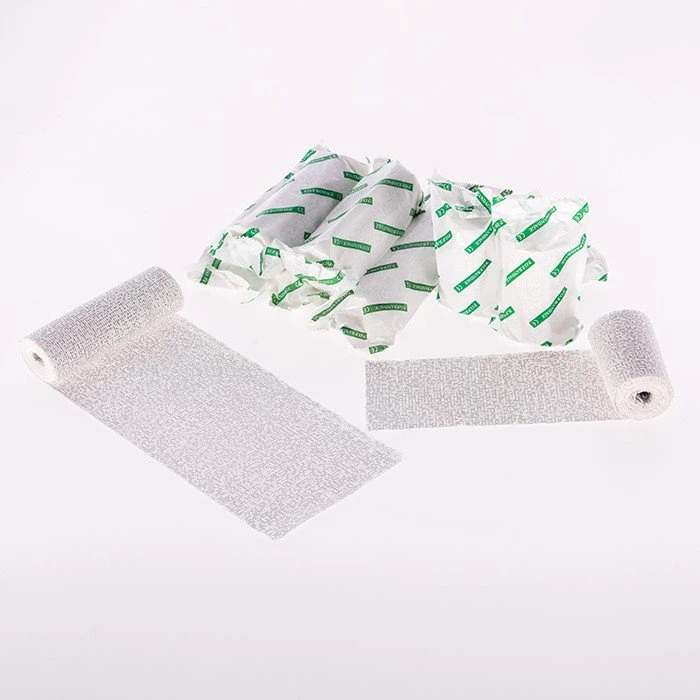
Before delving into the use of POP Bandages for eye injuries, it's important to understand what they are. POP Bandages, or Plaster of Paris Bandages, are made from a special type of plaster that hardens when it comes into contact with water. They are commonly used in the medical field for immobilizing fractures and supporting injured limbs. Our company offers a range of POP Bandages, including Surgical Plaster of Paris Bandage, Plaster of Paris Bandage Rolls, and Gypsona Pop Bandage. These products are known for their high quality and reliability, making them a popular choice among medical professionals.
The Nature of Eye Injuries
Eye injuries can vary widely in severity and type. They can range from minor scratches on the cornea to more serious conditions such as retinal detachment or chemical burns. The eyes are extremely sensitive organs, and any injury to them requires immediate and appropriate treatment. The goal of treating an eye injury is to prevent further damage, relieve pain, and promote healing.
Why POP Bandages Are Not Suitable for Eye Injuries
There are several reasons why POP Bandages are not recommended for use on eye injuries.
1. Rigidity and Immobility
POP Bandages are designed to provide rigid support and immobilization. While this is beneficial for fractures and limb injuries, it is not suitable for the eyes. The eyes need to be able to move and blink naturally to maintain moisture, clear debris, and prevent infections. Applying a rigid POP Bandage to the eye would restrict these essential functions, potentially leading to further complications.
2. Potential for Pressure and Trauma
When a POP Bandage hardens, it can exert significant pressure on the area it covers. The delicate tissues of the eye are not able to withstand this type of pressure without being damaged. Applying a POP Bandage to the eye could cause additional trauma, such as bruising, swelling, or even damage to the internal structures of the eye.
3. Lack of Breathability
The eyes require a constant supply of oxygen and a proper balance of moisture. POP Bandages are not breathable, which means they can trap moisture and heat against the skin. This creates a breeding ground for bacteria and fungi, increasing the risk of infection. In addition, the lack of breathability can cause discomfort and irritation to the eye.
4. Inability to Conform to the Eye Shape
The shape of the eye is complex and irregular. POP Bandages are typically used to wrap around larger, more regular-shaped body parts. It would be difficult, if not impossible, to apply a POP Bandage in a way that conforms to the shape of the eye without causing discomfort or leaving gaps that could allow debris or bacteria to enter.
Appropriate Treatment for Eye Injuries
Instead of using a POP Bandage, there are several appropriate treatments for eye injuries.
1. Flushing with Water
If the eye has been exposed to a chemical or foreign object, the first step is to flush the eye with clean, lukewarm water for at least 15 - 20 minutes. This helps to remove the irritant and reduce the risk of further damage.

2. Using Eye Drops or Ointments
Depending on the type of injury, your doctor may prescribe eye drops or ointments to relieve pain, reduce inflammation, and prevent infection. These medications are specifically formulated for use in the eyes and are much safer and more effective than a POP Bandage.
3. Applying a Soft Eye Patch
In some cases, a soft eye patch may be recommended to protect the injured eye from further irritation and to allow it to rest. Eye patches are designed to be lightweight, breathable, and comfortable, and they do not restrict the natural movement of the eye.
4. Seeking Medical Attention
It's important to seek immediate medical attention for any eye injury, especially if it is severe or if you experience symptoms such as vision loss, severe pain, or bleeding. A qualified eye doctor can perform a thorough examination and provide the appropriate treatment.
When POP Bandages Are Appropriate
While POP Bandages are not suitable for eye injuries, they are extremely useful for other types of injuries.
1. Fractures
POP Bandages are commonly used to immobilize fractures in the arms, legs, wrists, and ankles. By providing rigid support, they help to keep the broken bones in place, allowing them to heal properly.
2. Sprains and Strains
In some cases, POP Bandages can be used to support and stabilize sprained or strained joints. This helps to reduce pain and swelling and promotes faster healing.
3. Post - operative Support
After certain types of surgeries, POP Bandages may be used to provide support and protection to the surgical site. This helps to prevent movement and reduce the risk of complications.
Conclusion
In conclusion, a POP Bandage is not suitable for use on eye injuries. The eyes are delicate organs that require special care and treatment. Using a POP Bandage on an eye injury can cause more harm than good, due to its rigidity, potential for pressure and trauma, lack of breathability, and inability to conform to the eye shape. Instead, it's important to follow the appropriate treatment guidelines for eye injuries, such as flushing with water, using eye drops or ointments, applying a soft eye patch, and seeking medical attention.
However, our POP Bandages are still an excellent choice for a wide range of other injuries, including fractures, sprains, and post - operative support. If you are a medical professional or an organization in need of high - quality POP Bandages, we would be happy to discuss your requirements. Our team of experts can provide you with detailed information about our products and help you choose the right bandage for your needs. Contact us today to start a procurement discussion and discover how our POP Bandages can benefit your patients or clients.
References
- American Academy of Ophthalmology. (2023). Eye Injury First Aid.
- Mayo Clinic. (2023). Eye Injuries: First Aid.
- World Health Organization. (2023). Guidelines for the Prevention of Eye Injuries.