

Can a Spandex Tabby Bandage be used for shoulder support?
Sep 08, 2025
In the realm of medical and sports support products, the search for effective solutions to address various injuries and discomforts is ongoing. One such product that has gained attention is the Spandex Tabby Bandage. As a supplier of these bandages, I often encounter questions about their versatility and suitability for different body parts. In this blog, we will delve into the question: Can a Spandex Tabby Bandage be used for shoulder support?
Understanding the Spandex Tabby Bandage
Before we explore its application for shoulder support, let's first understand what a Spandex Tabby Bandage is. These bandages are typically made from a blend of spandex and other materials, which gives them elasticity and flexibility. The elastic nature of the bandage allows it to conform to the body's contours, providing a snug fit. This property is crucial as it ensures that the bandage stays in place during movement and can effectively provide support.
The Spandex Tabby Bandage comes in various widths and lengths, making it adaptable to different body parts and injury types. It is commonly used in first - aid settings, sports medicine, and for post - operative care. Its breathable fabric helps prevent skin irritation, which is important when the bandage needs to be worn for extended periods.
The Anatomy of the Shoulder and Common Injuries
The shoulder is a complex joint that consists of the humerus (upper arm bone), scapula (shoulder blade), and clavicle (collarbone). It is a ball - and - socket joint that allows for a wide range of motion, including flexion, extension, abduction, adduction, and rotation. However, this mobility also makes the shoulder prone to injuries.
Some common shoulder injuries include rotator cuff tears, shoulder dislocations, sprains, and strains. Rotator cuff tears occur when the tendons that connect the muscles of the rotator cuff to the humerus are damaged. Shoulder dislocations happen when the head of the humerus pops out of the shoulder socket. Sprains and strains involve damage to the ligaments and muscles in the shoulder, respectively.
How a Spandex Tabby Bandage Can Provide Shoulder Support
- Compression: Compression is one of the key benefits of using a Spandex Tabby Bandage for shoulder support. When wrapped around the shoulder, the bandage applies gentle pressure to the area. This compression helps reduce swelling by limiting the amount of fluid that can accumulate in the injured tissues. It also helps improve blood circulation, which is essential for the healing process. For example, in the case of a shoulder sprain, compression can help stabilize the joint and prevent further damage.
- Stability: The bandage can provide additional stability to the shoulder joint. By wrapping the bandage around the shoulder in a specific pattern, it can help hold the bones and muscles in place. This is particularly useful for individuals who have experienced a shoulder dislocation or have a weak shoulder due to a previous injury. The stability provided by the bandage can help prevent re - injury and allow the injured tissues to heal properly.
- Restriction of Movement: In some cases, it may be necessary to restrict the movement of the shoulder to allow for proper healing. A Spandex Tabby Bandage can be used to limit the range of motion of the shoulder. For instance, if a person has a rotator cuff tear, the bandage can be wrapped in a way that restricts excessive abduction or rotation of the shoulder, reducing stress on the injured tendons.
Proper Application of a Spandex Tabby Bandage for Shoulder Support
Proper application of the bandage is crucial to ensure its effectiveness and comfort. Here are the general steps for applying a Spandex Tabby Bandage to the shoulder:
- Prepare the Area: Make sure the shoulder is clean and dry before applying the bandage. If there are any open wounds, they should be covered with a sterile dressing first.
- Start Wrapping: Begin by placing the end of the bandage at the base of the neck, just above the collarbone. Wrap the bandage around the shoulder in a figure - eight pattern. The figure - eight pattern helps distribute the pressure evenly across the shoulder joint.
- Adjust the Tension: As you wrap the bandage, make sure it is not too tight or too loose. A good rule of thumb is to be able to fit one finger under the bandage. If the bandage is too tight, it can restrict blood circulation and cause discomfort. If it is too loose, it will not provide adequate support.
- Secure the End: Once you have wrapped the bandage around the shoulder the desired number of times, secure the end of the bandage with a clip or by tucking it under the previous layer.
Comparison with Other Bandages
There are other types of bandages available in the market that can also be used for shoulder support. For example, the Conforming Elastic Bandage is similar in its ability to conform to the body's shape. However, the Spandex Tabby Bandage may offer better elasticity and a more comfortable fit due to its spandex content.
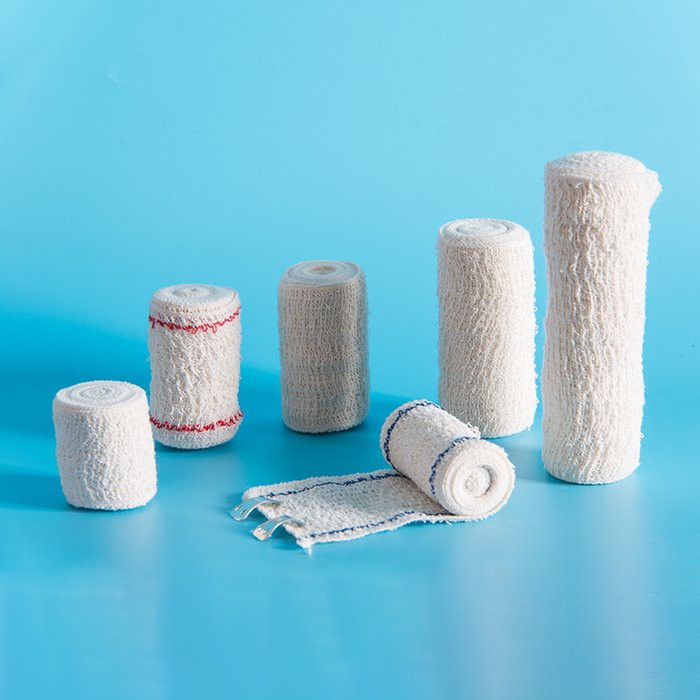

The Sprained Wrist Elastic Bandage is designed specifically for wrist injuries, but in some cases, it may be used for minor shoulder support if a smaller - sized bandage is needed. However, its width and length may not be as suitable for the larger surface area of the shoulder as a Spandex Tabby Bandage.
The Elastic Compression Bandage is also used for compression, but the Spandex Tabby Bandage may be more breathable and less likely to cause skin irritation, making it a better choice for long - term use.
Considerations and Precautions
While a Spandex Tabby Bandage can be an effective tool for shoulder support, there are some considerations and precautions to keep in mind:
- Allergies: Some individuals may be allergic to the materials used in the bandage. It is important to check the ingredients of the bandage before use and perform a patch test on a small area of skin if there is any concern.
- Medical Advice: If you have a severe shoulder injury, such as a complete rotator cuff tear or a dislocated shoulder, it is important to seek medical advice before using a bandage. A healthcare professional can determine the appropriate treatment and whether a bandage is a suitable option.
- Monitoring: When using a bandage for shoulder support, it is important to monitor the area for any signs of discomfort, swelling, or skin irritation. If any of these symptoms occur, the bandage should be removed and the area should be evaluated.
Conclusion
In conclusion, a Spandex Tabby Bandage can be a valuable tool for shoulder support. Its compression, stability, and ability to restrict movement make it suitable for a variety of shoulder injuries. However, proper application and careful consideration of individual circumstances are essential to ensure its effectiveness and safety.
As a supplier of Spandex Tabby Bandages, we are committed to providing high - quality products that meet the needs of our customers. If you are interested in learning more about our Spandex Tabby Bandages or have any questions about their use for shoulder support, we encourage you to contact us for further discussion and potential procurement. We look forward to assisting you in finding the right solution for your shoulder support needs.
References
- "Sports Medicine: A Comprehensive Review" by Michael Stuart, MD, and others.
- "Orthopaedic Physical Therapy Secrets" by Stephen A. Snyder, PT, DPT, and others.
- "The Shoulder: A Balance of Mobility and Stability" by the American Academy of Orthopaedic Surgeons.