

Can elastic bandages be used for post - surgery recovery?
Jan 12, 2026
Elastic bandages have long been a staple in the medical field, offering flexible support and compression for various injuries and ailments. As a dedicated elastic bandage supplier, I've had the privilege of witnessing firsthand the diverse applications and benefits of these versatile products, especially in the context of post-surgery recovery. In this blog post, I'll delve into the question of whether elastic bandages can be used for post-surgery recovery, exploring the science behind their use, potential benefits, and considerations.
Understanding the Role of Elastic Bandages in Post-Surgery Care
After surgery, the body typically undergoes a healing process that involves inflammation, tissue repair, and restoration of normal function. Elastic bandages play a crucial role in supporting this healing process by providing gentle compression and support to the affected area. The compression helps to reduce swelling, improve blood circulation, and stabilize the injured tissues, which can aid in pain management and promote faster recovery.
One of the primary benefits of using elastic bandages for post-surgery recovery is their ability to control swelling. During the initial stages of healing, the body's natural response to injury is to send fluid and immune cells to the affected area, resulting in swelling. While swelling is a normal part of the healing process, excessive swelling can impede recovery and cause discomfort. Elastic bandages apply gentle pressure to the area, helping to limit the accumulation of fluid and reduce swelling.

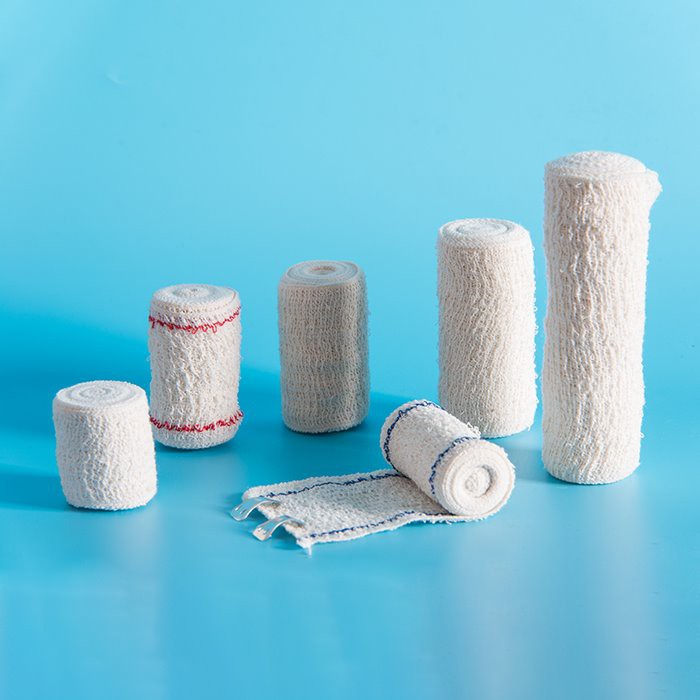
In addition to reducing swelling, elastic bandages can also help to improve blood circulation. Adequate blood flow is essential for delivering oxygen and nutrients to the injured tissues, which are necessary for the healing process. By applying compression, elastic bandages help to enhance blood flow to the area, promoting better healing and reducing the risk of complications.
Types of Elastic Bandages Suitable for Post-Surgery Recovery
As an elastic bandage supplier, I offer a wide range of products that are specifically designed for post-surgery recovery. These include the Sprained Wrist Elastic Bandage, Spandex Tabby Bandage, and Sprained Ankle Elastic Bandage, each of which offers unique features and benefits.
The Sprained Wrist Elastic Bandage is designed to provide targeted support and compression to the wrist joint, making it ideal for post-surgery recovery following wrist procedures. The bandage is made from a stretchable and breathable material that conforms to the shape of the wrist, providing a comfortable and secure fit. It also features adjustable closures, allowing for customized compression and support.
The Spandex Tabby Bandage is a versatile bandage that can be used for a variety of post-surgery applications. The bandage is made from a blend of spandex and cotton, which provides a combination of stretch and support. It is available in a range of sizes and colors, making it suitable for different body parts and personal preferences.
The Sprained Ankle Elastic Bandage is specifically designed to provide support and compression to the ankle joint, making it ideal for post-surgery recovery following ankle procedures. The bandage is made from a durable and stretchable material that conforms to the shape of the ankle, providing a comfortable and secure fit. It also features a reinforced heel and toe area, which provides additional support and stability.
Considerations When Using Elastic Bandages for Post-Surgery Recovery
While elastic bandages can be a valuable tool for post-surgery recovery, it's important to use them correctly to ensure their effectiveness and safety. Here are some key considerations to keep in mind:
- Proper application: It's important to apply the elastic bandage correctly to ensure that it provides the right amount of compression and support. Follow the manufacturer's instructions carefully or consult with a healthcare professional for guidance on how to apply the bandage properly.
- Comfort: Make sure the elastic bandage is comfortable to wear and doesn't cause any irritation or discomfort. If the bandage feels too tight or restrictive, loosen it or adjust the fit.
- Monitoring: Regularly monitor the area under the elastic bandage for signs of irritation, swelling, or discoloration. If you notice any changes or have concerns, remove the bandage and consult with a healthcare professional.
- Duration of use: Follow your healthcare provider's instructions on how long to use the elastic bandage. In some cases, the bandage may need to be worn continuously for a period of time, while in other cases, it may only be needed during certain activities or at night.
- Hygiene: Keep the elastic bandage clean and dry to prevent the growth of bacteria and infection. Wash the bandage regularly according to the manufacturer's instructions.
Case Studies: Real-Life Examples of Elastic Bandages in Post-Surgery Recovery
To illustrate the effectiveness of elastic bandages in post-surgery recovery, let's take a look at some real-life examples:
-
Case Study 1: Post-Wrist Surgery Recovery
- Patient: A 35-year-old male who underwent wrist surgery to repair a ligament tear.
- Treatment: After surgery, the patient was instructed to wear a Sprained Wrist Elastic Bandage to provide support and compression to the wrist joint. The bandage was worn continuously for the first two weeks following surgery and then gradually tapered off as the patient's symptoms improved.
- Results: The patient reported significant reduction in swelling and pain within the first few days of wearing the elastic bandage. By the end of the two-week period, the swelling had subsided, and the patient was able to perform simple wrist movements without discomfort. At the follow-up appointment, the surgeon noted that the patient's recovery was progressing well and that the use of the elastic bandage had played a crucial role in the healing process.
-
Case Study 2: Post-Ankle Surgery Recovery
- Patient: A 42-year-old female who underwent ankle surgery to repair a broken bone.
- Treatment: After surgery, the patient was fitted with a Sprained Ankle Elastic Bandage to provide support and compression to the ankle joint. The bandage was worn during the day and removed at night to allow the skin to breathe.
- Results: The patient reported that the elastic bandage helped to reduce swelling and pain in the ankle, making it easier to move around. By the end of the first week, the swelling had decreased significantly, and the patient was able to start physical therapy. At the six-week follow-up appointment, the x-ray showed that the bone had healed well, and the patient was able to resume normal activities.
Conclusion
In conclusion, elastic bandages can be a valuable tool for post-surgery recovery, offering a range of benefits including swelling reduction, improved blood circulation, and support to the injured tissues. As an elastic bandage supplier, I'm committed to providing high-quality products that are designed to meet the unique needs of patients during the recovery process.
If you're a healthcare provider or a patient looking for reliable elastic bandages for post-surgery recovery, I encourage you to explore our product range, which includes the Sprained Wrist Elastic Bandage, Spandex Tabby Bandage, and Sprained Ankle Elastic Bandage. Our products are made from high-quality materials and are designed to provide effective support and compression.
If you have any questions or would like to discuss your specific needs, please feel free to [initiate a discussion about purchasing]. We're here to help you make the right choice for your post-surgery recovery needs.
References
- American Academy of Orthopaedic Surgeons. (2023). Compression bandages: How to apply and other tips.
- National Health Service. (2023). Compression bandages.
- WebMD. (2023). Elastic bandages: How to wrap properly.