

Can Gypsona Pop Bandage be used on animal wounds?
Jun 19, 2025
Hey there! As a supplier of Gypsona Pop Bandage, I often get asked a bunch of questions about our product. One of the most common ones is, "Can Gypsona Pop Bandage be used on animal wounds?" Well, let's dive right into this topic and figure it out.
First off, let's talk a bit about what Gypsona Pop Bandage is. It's a high - quality bandage that comes in different types. You've got the Colorful Bandage, which isn't just functional but also looks cool. Then there's the Surgical Plaster of Paris Bandage, which is more for medical and professional use, and Plaster of Paris Bandage Rolls, which are great for various wrapping needs.
Now, when it comes to using it on animal wounds, there are a few things to consider. Animals are not the same as humans. Their skin is different, their behavior is different, and the way they heal is also somewhat different.
Advantages of Using Gypsona Pop Bandage on Animal Wounds
One of the main advantages is protection. Just like on humans, Gypsona Pop Bandage can act as a physical barrier against dirt, bacteria, and other foreign objects. If your furry friend has a cut or a scrape, covering it with a bandage can prevent infections. For example, if a dog gets a small cut while playing outside, a properly applied bandage can keep the wound clean until it heals.
The bandage also helps in keeping the wound moist. A moist environment is often better for wound healing as it promotes cell migration and reduces the formation of scar tissue. Gypsona Pop Bandage can help maintain that moisture level, which is crucial for a faster and better recovery.
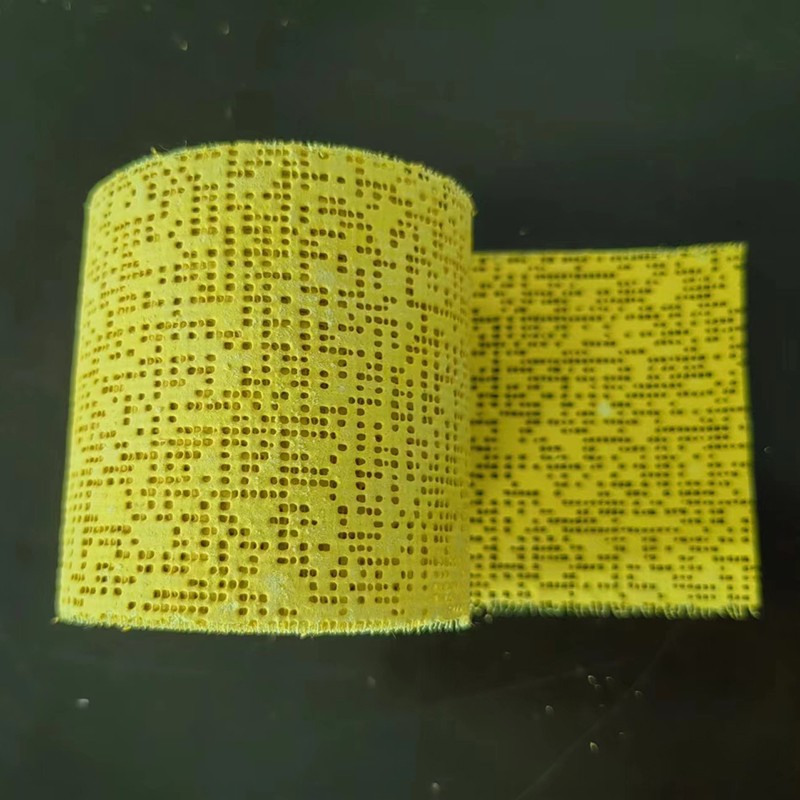

Another plus is immobilization. In cases where an animal has a sprain or a minor fracture, the Surgical Plaster of Paris Bandage can be used to immobilize the affected area. This restricts movement, allowing the injured part to heal properly without further damage.
Disadvantages and Risks
However, there are also some potential drawbacks. Animals are known to chew or scratch at bandages. If an animal manages to get to the bandage and starts chewing it, they could ingest parts of the bandage, which can be very dangerous. It might cause blockages in their digestive system, leading to serious health issues.
The bandage might also cause skin irritation. Since animal skin has a different pH level and sensitivity compared to human skin, there's a risk that the bandage could cause an allergic reaction or irritation. This could make the wound worse instead of better.
Applying the bandage correctly can be a challenge. Animals don't stay still like humans do. It can be quite difficult to wrap the bandage tightly enough to stay in place but not so tight that it restricts blood circulation. Improper wrapping can lead to swelling, pain, and even tissue damage.
Factors to Consider Before Using
Before you even think about using Gypsona Pop Bandage on your pet's wound, you need to consider the type of wound. Is it a minor cut, a deep laceration, or something more serious like a burn? Minor cuts and scrapes are usually more suitable for bandaging, while deeper wounds might require more professional medical attention.
The size and species of the animal also matter. A small bandage might be perfect for a hamster's tiny wound, but it won't work for a large dog's injury. Different animals have different needs, and you have to choose the right type and size of the bandage accordingly.
You should also consult a veterinarian. They can give you the best advice on whether a bandage is appropriate for your pet's wound. They can also show you how to apply the bandage correctly to minimize the risks.
How to Use Gypsona Pop Bandage on Animal Wounds
If you've decided to use the bandage after consulting your vet, here's a basic guide on how to do it.
First, clean the wound gently with a mild antiseptic solution recommended by your vet. Pat the area dry with a clean cloth.
Next, choose the right type of bandage. For a small wound, a Colorful Bandage might be sufficient. For more serious injuries, you might need the Plaster of Paris Bandage Rolls.
Start wrapping the bandage around the wound. Make sure it's not too tight. You should be able to fit a finger between the bandage and the animal's skin. Secure the end of the bandage properly, but again, make sure it's not so tight that it causes discomfort.
Keep an eye on the bandage and the wound. Check regularly for signs of swelling, redness, or if the animal seems to be in pain. If you notice anything unusual, remove the bandage and contact your vet immediately.
Conclusion
So, can Gypsona Pop Bandage be used on animal wounds? The answer is yes, but with caution. It has its advantages in terms of protection, moisture control, and immobilization. However, there are also risks like chewing, skin irritation, and improper application.
If you're a pet owner or someone involved in animal care, and you're thinking about using our Gypsona Pop Bandage, I'd highly recommend consulting a veterinarian first. And if you're interested in purchasing our bandages, we're here to help. Whether you need the Colorful Bandage, the Surgical Plaster of Paris Bandage, or the Plaster of Paris Bandage Rolls, we've got a wide range of products to meet your needs. Reach out to us for more information and to start a purchase negotiation.
References
- Animal Wound Care Manual, 2nd Edition
- Journal of Veterinary Dermatology
- Textbook of Small Animal Surgery, 4th Edition