

Can spandex crepe bandage be used for neck injuries?
Jun 19, 2025
Can Spandex Crepe Bandage Be Used for Neck Injuries?
Neck injuries can range from mild strains to more severe conditions, and finding the right treatment and support is crucial for recovery. As a supplier of Spandex Crepe Bandages, I often receive inquiries about the suitability of our product for neck injuries. In this blog post, we'll explore the potential use of Spandex Crepe Bandages for neck injuries, considering their features, benefits, and limitations.
Understanding Spandex Crepe Bandages
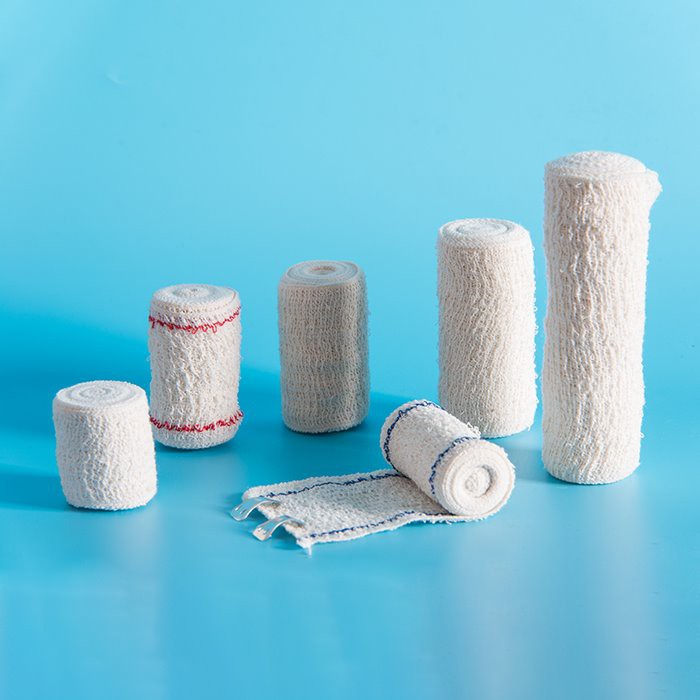
Spandex Crepe Bandages are a type of elastic bandage known for their stretchability and conformability. They are typically made from a combination of spandex and crepe materials, which gives them a unique texture and properties. These bandages are designed to provide support, compression, and stability to various parts of the body, making them a popular choice for first aid and injury management.
One of the key advantages of Spandex Crepe Bandages is their ability to conform to the body's contours. This makes them ideal for use on irregularly shaped areas, such as the neck. The stretchy nature of the bandage allows it to fit snugly without restricting movement too much, providing a comfortable and supportive fit.
Another benefit of Spandex Crepe Bandages is their breathability. The crepe material allows air to circulate, reducing the risk of skin irritation and discomfort. This is particularly important when using a bandage for an extended period, as it helps to keep the skin dry and healthy.
Potential Uses for Neck Injuries
When it comes to neck injuries, Spandex Crepe Bandages can be used in several ways to provide support and aid in recovery. Here are some common scenarios where these bandages may be beneficial:
- Neck Strains: Neck strains are one of the most common types of neck injuries, often caused by sudden movements, poor posture, or overuse. A Spandex Crepe Bandage can be wrapped around the neck to provide gentle compression and support, helping to reduce pain and inflammation. The bandage can also help to stabilize the neck muscles, preventing further strain and promoting healing.
- Whiplash Injuries: Whiplash is a neck injury that occurs when the head is suddenly jerked forward and then backward, causing damage to the neck muscles, ligaments, and tendons. While a Spandex Crepe Bandage may not be a substitute for medical treatment, it can be used as part of a comprehensive treatment plan to provide support and comfort. The bandage can help to immobilize the neck, reducing pain and preventing further injury.
- Post-Surgical Support: After neck surgery, a Spandex Crepe Bandage may be used to provide support and compression to the surgical site. The bandage can help to reduce swelling, promote healing, and protect the incision from further injury. It can also provide a sense of security and stability, allowing the patient to move more comfortably during the recovery period.
How to Use a Spandex Crepe Bandage for Neck Injuries
If you're considering using a Spandex Crepe Bandage for a neck injury, it's important to follow the proper application techniques to ensure maximum effectiveness and safety. Here are some general guidelines to keep in mind:
- Clean and Dry the Skin: Before applying the bandage, make sure the skin on the neck is clean and dry. This will help to prevent skin irritation and ensure a better fit.
- Measure the Bandage: Measure the length of the bandage needed to wrap around the neck. You may need to overlap the bandage slightly to ensure a secure fit.
- Apply the Bandage: Start at the base of the neck and wrap the bandage around the neck in a spiral motion, moving upward. Make sure the bandage is snug but not too tight, as this can restrict blood flow and cause discomfort.
- Secure the Bandage: Once you've wrapped the bandage around the neck, secure it with the adhesive strips or clips provided. Make sure the bandage is secure but not too tight, as this can cause skin irritation.
- Check for Comfort: After applying the bandage, check for comfort and mobility. You should be able to move your neck freely without feeling any pain or discomfort. If the bandage is too tight or causing any problems, adjust it accordingly.
Limitations and Considerations
While Spandex Crepe Bandages can be a useful tool for managing neck injuries, it's important to note that they are not a substitute for medical treatment. If you have a severe neck injury, such as a fracture or dislocation, you should seek medical attention immediately.

In addition, it's important to use the bandage correctly and follow the manufacturer's instructions. Using a bandage that is too tight or leaving it on for too long can cause skin irritation, circulation problems, and other complications. If you experience any pain, numbness, or tingling while using the bandage, remove it immediately and consult a healthcare professional.
Conclusion
In conclusion, Spandex Crepe Bandages can be a valuable tool for managing neck injuries. Their stretchability, conformability, and breathability make them a comfortable and effective option for providing support and compression to the neck. However, it's important to use the bandage correctly and follow the proper application techniques to ensure maximum effectiveness and safety.
If you're interested in purchasing Spandex Crepe Bandages for neck injuries or other applications, we invite you to visit our website to learn more about our products. We offer a wide range of Elastic Compression Bandage, including Sprained Wrist Elastic Bandage and Muscle Strain Elastic Bandage, to meet your specific needs. Our products are made from high-quality materials and are designed to provide reliable support and comfort.
If you have any questions or would like to discuss your requirements further, please don't hesitate to contact us. Our team of experts is always available to provide you with personalized advice and assistance. We look forward to hearing from you and helping you find the right solution for your injury management needs.
References
- American Academy of Orthopaedic Surgeons. (n.d.). Neck Strains and Sprains. Retrieved from https://orthoinfo.aaos.org/en/diseases--conditions/neck-strains-and-sprains/
- Mayo Clinic. (n.d.). Whiplash. Retrieved from https://www.mayoclinic.org/diseases-conditions/whiplash/symptoms-causes/syc-20354962
- National Health Service. (n.d.). Neck Pain. Retrieved from https://www.nhs.uk/conditions/neck-pain/