

How do I clean a plaster cast bandage?
Jul 31, 2025
Cleaning a plaster cast bandage is an important aspect that often gets overlooked, especially when considering its long - term use and maintenance. As a supplier of Plaster Cast Bandages, I understand the significance of proper cleaning to ensure the bandage remains in good condition and serves its purpose effectively.
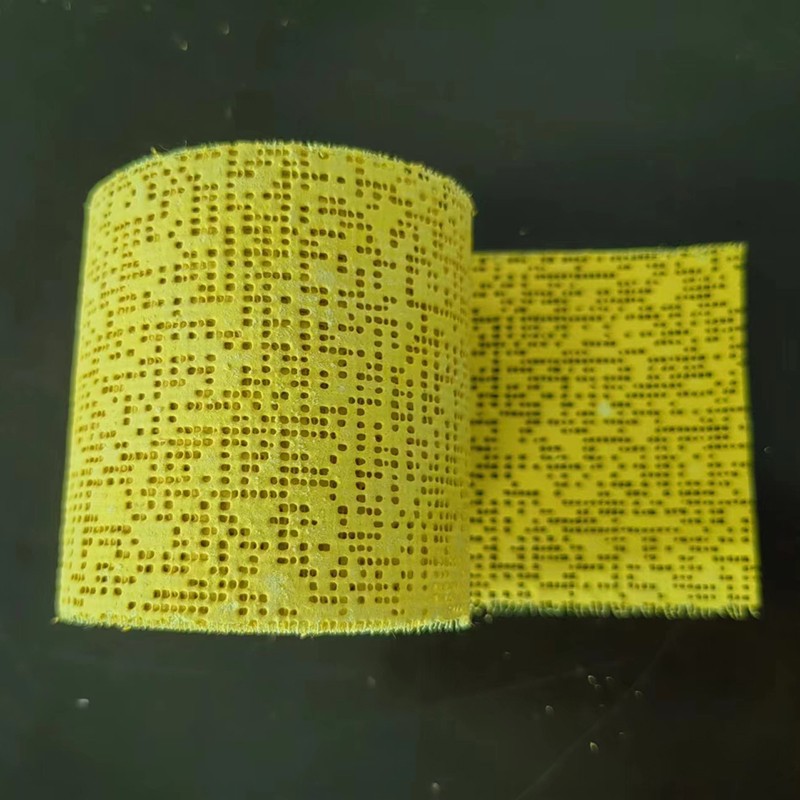

Why Clean a Plaster Cast Bandage?
Plaster cast bandages are commonly used in medical settings to immobilize fractures, support injured joints, and aid in the healing process. Over time, these bandages can accumulate dirt, sweat, and other debris. Not only does this make the bandage look unappealing, but it can also lead to unpleasant odors and potentially harbor bacteria. A clean plaster cast bandage is not only more hygienic but can also contribute to the patient's comfort during the healing period.
Tools Required for Cleaning
Before starting the cleaning process, it's essential to gather the necessary tools. You will need a soft - bristled brush, mild soap, warm water, a clean cloth, and a dry towel. The soft - bristled brush is crucial as it helps to gently remove dirt without damaging the plaster. Mild soap is preferred as it is less likely to cause irritation to the skin under the cast or damage the plaster material itself.
Step - by - Step Cleaning Process
Step 1: Preparation
First, make sure the patient is in a comfortable position. If possible, have them sit or lie down so that the cast is easily accessible. Place a waterproof sheet or towel underneath the cast to catch any water or debris that may fall during the cleaning process.
Step 2: Dry Brushing
Use the soft - bristled brush to gently brush the surface of the plaster cast bandage. Start from the top and work your way down. This will help to remove loose dirt, dust, and any dry skin flakes that may have adhered to the cast. Be careful not to apply too much pressure as this could cause the plaster to crack or break.
Step 3: Preparing the Cleaning Solution
Fill a small basin or bucket with warm water and add a small amount of mild soap. Stir the solution gently until the soap is dissolved. The water should be warm, not hot, as hot water can damage the plaster.
Step 4: Cleaning the Cast
Dip the clean cloth into the soapy water and wring it out well so that it is damp but not dripping. Gently wipe the surface of the plaster cast bandage with the damp cloth. Pay special attention to areas that are particularly dirty or have visible stains. If there are stubborn stains, you can use the soft - bristled brush to gently scrub the area in a circular motion. However, be extremely careful not to scrub too hard.
Step 5: Rinsing
After cleaning the cast with the soapy water, dip another clean cloth into plain warm water and wring it out. Use this cloth to rinse the cast and remove any soap residue. Make sure to rinse thoroughly as leftover soap can cause skin irritation.
Step 6: Drying
Once the cast is rinsed, use a dry towel to pat it dry. It's important to dry the cast completely to prevent the growth of mold or mildew. You can also let the cast air - dry for a while in a well - ventilated area. Avoid using a hair dryer or other heat sources to dry the cast as excessive heat can cause the plaster to crack.
Special Considerations for Different Types of Plaster Cast Bandages
Pop Plaster Bandage
The Pop Plaster Bandage is a popular type of plaster cast bandage. When cleaning a Pop Plaster Bandage, it's important to be extra gentle as it may be more brittle compared to some other types. The drying process should be slow and natural to prevent cracking.
Colorful Bandage
Colorful Bandages are not only functional but also add a bit of fun. However, the colors may fade if not cleaned properly. Use a very mild soap and avoid excessive scrubbing to preserve the colors. When drying, keep the bandage out of direct sunlight as this can also cause the colors to fade.
Plaster of Paris Bandage Rolls
Plaster of Paris Bandage Rolls are often used for larger areas. When cleaning these, make sure to clean the entire length of the roll evenly. Pay attention to the edges as they can accumulate more dirt.
Preventive Measures
To reduce the need for frequent cleaning, there are some preventive measures that can be taken. Encourage patients to keep the cast clean by avoiding contact with dirty surfaces. If the cast gets wet accidentally, dry it as soon as possible. You can also use a plastic cover when the patient is taking a shower or bath to prevent the cast from getting wet.
Conclusion
Cleaning a plaster cast bandage is a straightforward process that can significantly improve its appearance, hygiene, and longevity. As a supplier of Plaster Cast Bandages, I am committed to providing high - quality products and also sharing knowledge on how to take care of them. If you are interested in purchasing our Plaster Cast Bandages or have any questions regarding their use and maintenance, please feel free to reach out to us for more information and to start a procurement discussion.
References
- Medical Textbook on Casting and Immobilization
- Journal of Orthopedic Nursing on Cast Care