

How do you wash a tubular bandage without losing its elasticity?
Nov 11, 2025
Hey there! As a supplier of tubular bandages, I often get asked about how to wash these bandages without losing their elasticity. It's a crucial question, especially for those who rely on tubular bandages for various medical or sports-related needs. In this blog, I'll share some tips and tricks to help you keep your tubular bandages in top shape.
First off, let's talk about the different types of tubular bandages we offer. We have the Cotton Tubular Bandage, which is great for light support and is made from soft, breathable cotton. Then there's the Elasticated Tubular Bandage, designed to provide more stretch and support, perfect for joint injuries or muscle strains. And finally, our Stretch Net Tubular Elastic Bandage, which is super stretchy and offers a snug fit.

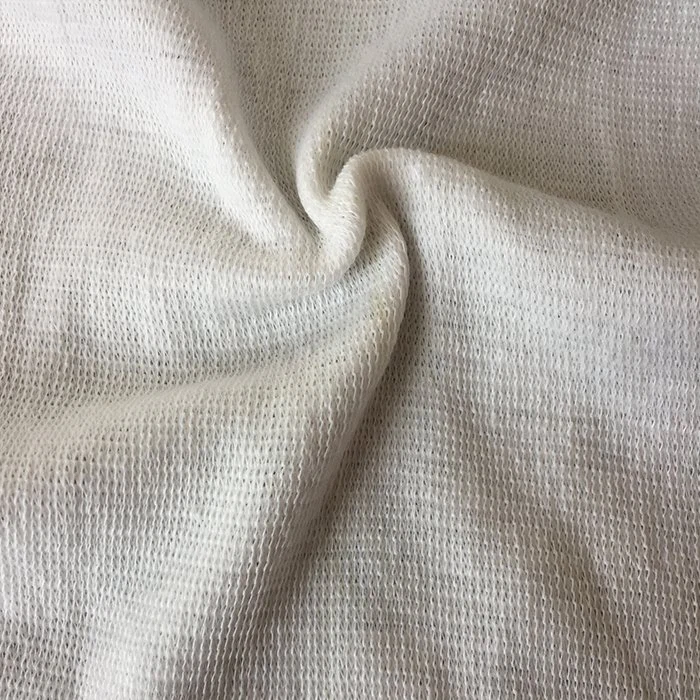
Now, let's get into the washing process. The first step is to check the care instructions on the bandage. Most tubular bandages come with specific guidelines, so it's important to follow them to avoid damaging the bandage. If there are no instructions, here's a general rule of thumb.
Start by gently removing any dirt or debris from the bandage. You can do this by shaking it out or using a soft brush to brush off the loose particles. If the bandage has any stains, spot clean them with a mild detergent and a soft cloth. Avoid using harsh chemicals or bleach, as they can damage the elastic fibers in the bandage.
Once you've pre-treated the stains, it's time to wash the bandage. Fill a sink or a basin with lukewarm water and add a small amount of mild detergent. Swirl the water around to create a soapy solution. Gently submerge the bandage in the water and use your hands to agitate it gently. Make sure to work the soap into all the areas of the bandage, especially the areas that are dirty or stained.
After a few minutes of gentle agitation, drain the soapy water and refill the sink or basin with clean, lukewarm water. Rinse the bandage thoroughly to remove all the soap. You may need to change the water a few times to ensure that all the soap is removed.
Once the bandage is rinsed, gently squeeze out the excess water. Do not wring or twist the bandage, as this can damage the elastic fibers and cause the bandage to lose its shape and elasticity. Instead, gently press the bandage between two towels to absorb the excess water.
Now, it's time to dry the bandage. The best way to dry a tubular bandage is to lay it flat on a clean, dry towel. Avoid hanging the bandage, as this can cause it to stretch and lose its shape. You can also use a fan to speed up the drying process, but make sure the fan is not set on high speed, as this can also damage the bandage.
Once the bandage is completely dry, you can store it in a cool, dry place. Avoid storing the bandage in direct sunlight or in a humid environment, as this can cause the elastic fibers to deteriorate over time.
In addition to following these washing and drying tips, there are a few other things you can do to extend the life of your tubular bandages. For example, avoid using the bandage for extended periods of time without giving it a break. This can cause the elastic fibers to stretch and lose their elasticity. Also, make sure to replace the bandage if it shows signs of wear and tear, such as fraying or holes.
So, there you have it! These are some tips and tricks to help you wash your tubular bandages without losing their elasticity. By following these simple steps, you can keep your bandages in top shape and ensure that they provide the support and comfort you need.
If you're interested in purchasing tubular bandages, we'd love to hear from you. We offer a wide range of high-quality tubular bandages at competitive prices. Whether you're a medical professional, an athlete, or just someone who needs a reliable bandage, we have the perfect solution for you. Contact us today to learn more about our products and to place an order.
References
- General knowledge about textile care and tubular bandage properties.