

What are the considerations when using a surgical POP bandage on animals?
Sep 05, 2025
When it comes to treating animals with fractures, injuries, or other orthopedic conditions, surgical POP (Plaster of Paris) bandages are a common and effective solution. As a supplier of high - quality Surgical POP Bandages, I understand the importance of using these products correctly. In this blog, I will discuss the key considerations when using a surgical POP bandage on animals.
1. Animal's Health Assessment
Before applying a surgical POP bandage, a thorough health assessment of the animal is essential. This includes a physical examination to determine the extent of the injury, such as the location and severity of the fracture. X - rays may also be necessary to get a clear picture of the bone damage.
Animals with underlying health conditions, such as diabetes or circulatory problems, may be at a higher risk of complications when wearing a POP bandage. For example, poor circulation can lead to tissue damage and delayed healing under the bandage. Therefore, it is crucial to consult a veterinarian who can assess the animal's overall health and determine if a POP bandage is the appropriate treatment option.
2. Bandage Selection
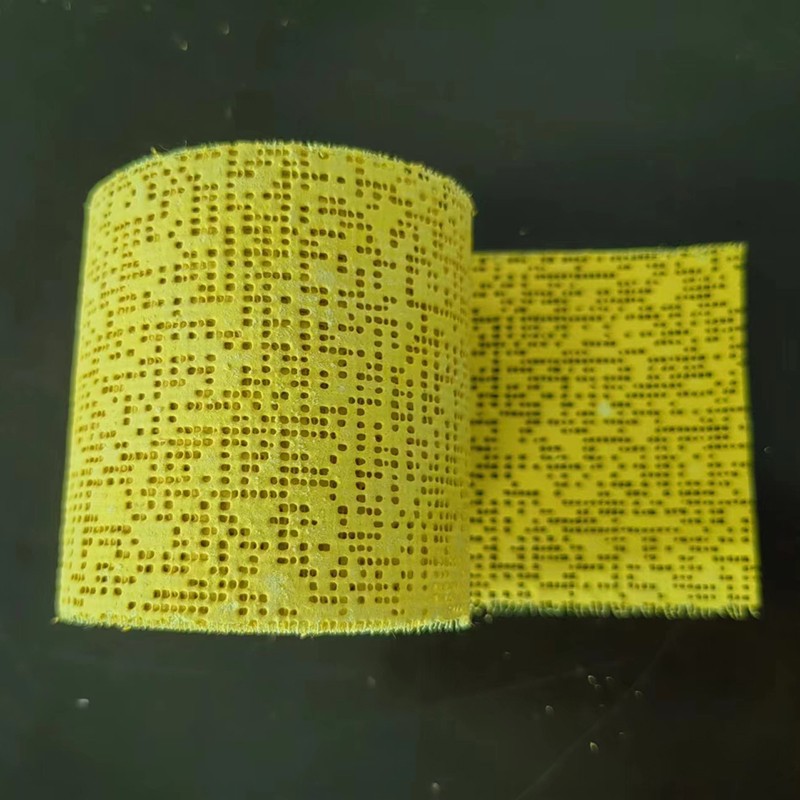
As a Surgical POP Bandage supplier, I offer a variety of products to meet different needs. There are different types of POP bandages, including Medical Plaster of Paris Bandage and Colorful Bandage.
The choice of bandage depends on several factors. For small animals or areas with delicate tissues, a lighter - weight and more flexible bandage may be preferred. On the other hand, for large animals or severe fractures, a stronger and more rigid bandage like the Surgical Plaster of Paris Bandage may be necessary.
The size of the bandage is also crucial. It should be large enough to cover the affected area adequately but not so large that it causes discomfort or restricts the animal's movement unnecessarily.

3. Proper Preparation
Proper preparation of the animal's limb or body part is vital before applying the POP bandage. The area should be cleaned thoroughly to remove any dirt, debris, or hair. This helps to prevent infection and ensures good adhesion of the bandage.
A layer of padding, such as cotton or synthetic foam, is usually applied over the skin. The padding serves as a cushion to protect the animal's skin from the pressure of the bandage and reduces the risk of pressure sores. It also helps to absorb moisture, which can accumulate under the bandage.
4. Application Technique
Applying a surgical POP bandage requires skill and precision. The bandage should be soaked in water according to the manufacturer's instructions. The water temperature can affect the setting time of the bandage. Generally, warmer water will speed up the setting process, while cooler water will slow it down.
When applying the bandage, it should be wrapped smoothly and evenly around the affected area. Over - tightening the bandage can restrict blood circulation, leading to swelling, pain, and tissue damage. On the other hand, a loose bandage may not provide sufficient support for the injured bone.
Multiple layers of the bandage may be required depending on the type and severity of the injury. Each layer should be applied firmly but without excessive tension. The edges of the bandage should be carefully smoothed to prevent them from irritating the animal's skin.
5. Monitoring the Animal
After applying the POP bandage, close monitoring of the animal is necessary. The owner or caregiver should observe the animal for any signs of discomfort, such as excessive licking, biting, or limping. Swelling, redness, or a foul odor around the bandage may indicate an infection or other complications.
The animal's activity level should also be restricted to prevent further injury. However, it is important to allow some gentle movement to maintain muscle strength and joint mobility. Regular check - ups with a veterinarian are essential to assess the healing progress and make any necessary adjustments to the bandage.
6. Bandage Maintenance
Proper maintenance of the POP bandage is crucial for successful treatment. The bandage should be kept dry as moisture can weaken the plaster and increase the risk of infection. If the bandage gets wet, it may need to be replaced.
Avoid exposing the bandage to sharp objects or rough surfaces that could damage it. If the bandage becomes loose or starts to peel, it should be repaired or replaced promptly to ensure continued support for the injured area.
7. Removal of the Bandage
The timing of bandage removal is determined by the healing progress of the injury. X - rays may be taken periodically to assess the bone union. Once the veterinarian determines that the bone has healed sufficiently, the bandage can be removed.
The removal process should be done carefully to avoid causing any additional pain or injury to the animal. Special tools may be used to cut the bandage without harming the animal's skin. After removal, the limb should be gently cleaned, and the animal may need a period of rehabilitation to regain full strength and mobility.
8. Storage of Surgical POP Bandages
As a supplier, I also emphasize the importance of proper storage of surgical POP bandages. Bandages should be stored in a cool, dry place away from direct sunlight. Exposure to heat and moisture can cause the plaster to set prematurely or lose its effectiveness.
It is also important to check the expiration date of the bandages before use. Using expired bandages may result in poor setting and reduced support, which can compromise the treatment outcome.
In conclusion, using a surgical POP bandage on animals requires careful consideration of various factors, from animal health assessment to bandage selection, application, monitoring, and removal. By following these guidelines, veterinarians, animal owners, and caregivers can ensure the safe and effective use of these bandages.
If you are interested in our high - quality Surgical POP Bandages, please feel free to contact us for more information and to discuss your procurement needs. We are committed to providing the best products and services to support animal healthcare.
References
- Smith, J. (2018). Veterinary Orthopedics: Principles and Practice. Publisher X.
- Brown, A. (2020). Animal Wound Management. Publisher Y.
- Green, C. (2019). Bandaging Techniques in Veterinary Medicine. Publisher Z.