Have You Mastered The 5 Commonly Used Gypsum Fixation Techniques?
Sep 24, 2023
Have you mastered the 5 commonly used gypsum fixation techniques?
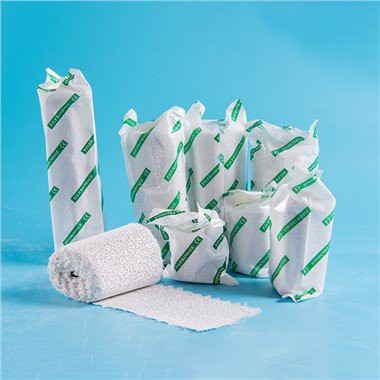
As a widely used treatment method, plaster has a history of more than 100 years. It has been used in fractures, dislocations, ligament injuries and joint infectious diseases to stabilize and fix joints, correct and prevent deformities, alleviate limb pain, improve function and promote healing. Today, we will introduce 5 commonly used gypsum fixation techniques.
It should be noted that during plaster fixation, it should be determined whether the limb or joint is fixed in a functional or special position based on the patient's condition, fixation location, and purpose. Do not change your posture freely during the plaster dressing process to avoid affecting the quality and fixation effect of the plaster dressing.
1. Gypsum braces are often used for temporary fixation of long tubular fractures and soft tissue injuries in the limbs, as well as incomplete and fissure fractures in the limbs.
Method of operation: First, place the patient in the position or functional position that needs to be fixed, and place a cotton pad on the bone process area. Take a plaster bandage with a width of 7-10 meters and make 8-10 layers of plaster strips according to the length of the limb. Roll them up from both ends, soak them, and squeeze out excess water. Flatten the plaster strips on the operating table, apply cotton or cotton paper pads on top, place the prepared plaster holder in the desired position of the injured limb, and fix them with the bandage to achieve the purpose of fixing the limb. When there are no special requirements, the joint should be placed in a functional position.
Forearm plaster pads are generally placed on the dorsal side of the forearm and wrist. The functional positions for upper limb plaster fixation are elbow flexion at 90 °, wrist dorsiflexion at 10 ° to 15 °, and thumb in opposition to palm position.
Lower limb plaster pads are generally placed on the back of the thighs, calves, and soles of the feet. The functional positions for lower limb plaster fixation are 15 ° knee flexion of the affected limb, 90 ° ankle dorsiflexion, and toe up.